What is covered, week by week, and which topics each lecture draws on.
All twelve weeks, grouped into the same four stages as the modules. Modules
are the written teaching material; a lecture applies that material through a
demonstration, comparison or worked example rather than repeating it. Four —
weeks 1, 4, 7 and 10 — are anchor lectures: each opens its stage by
framing the work ahead, rather than following a single module, and each gets
the larger, bordered treatment below. Only Week 10 carries a real slide deck,
Crispness Is a Metastable State. related: connects every other lecture to
the module it follows.
Stage 1 · Measuring Edible Matter
How a physical chemist looks at a food material: definitions, flow curves and thermal signatures.
Anchor lecture
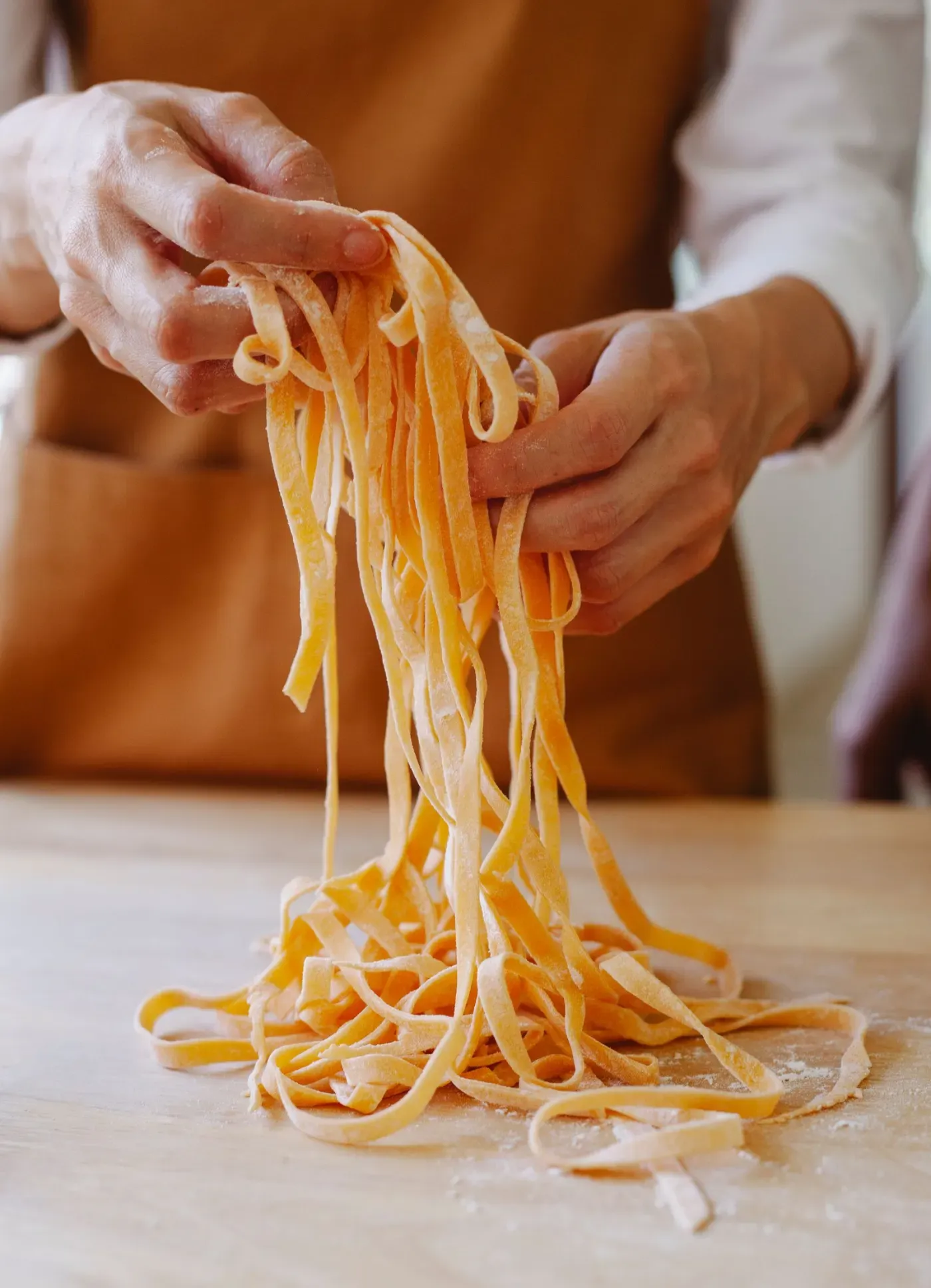
Opening Lecture: Why Treat Food as a Material
The course's central claim — texture is a measurable material property — and how the four-stage curriculum builds toward testing it.
Read the lecture →Rheology I: Flow Behaviour
In-class walkthrough of Newtonian, power-law and Herschel-Bulkley flow — reading a flow curve to tell "thick" apart from "won't move until pushed."
Read the lecture →Thermal Characterisation
Closing Stage 1 with the thermal toolkit — sensible heat, latent heat of transition, and reading a calorimetry trace as a two-transition story.
Read the lecture →
Stage 2 · Structures and Networks
What gives a food material its structure: gel networks, aggregated proteins, dispersed phases.
Anchor lecture
Stage 2 Overview: From Flow to Structure
Why the course moves from measuring behaviour to explaining it, and how a network's connectivity — not just its ingredients — sets a gel's texture.
Read the lecture →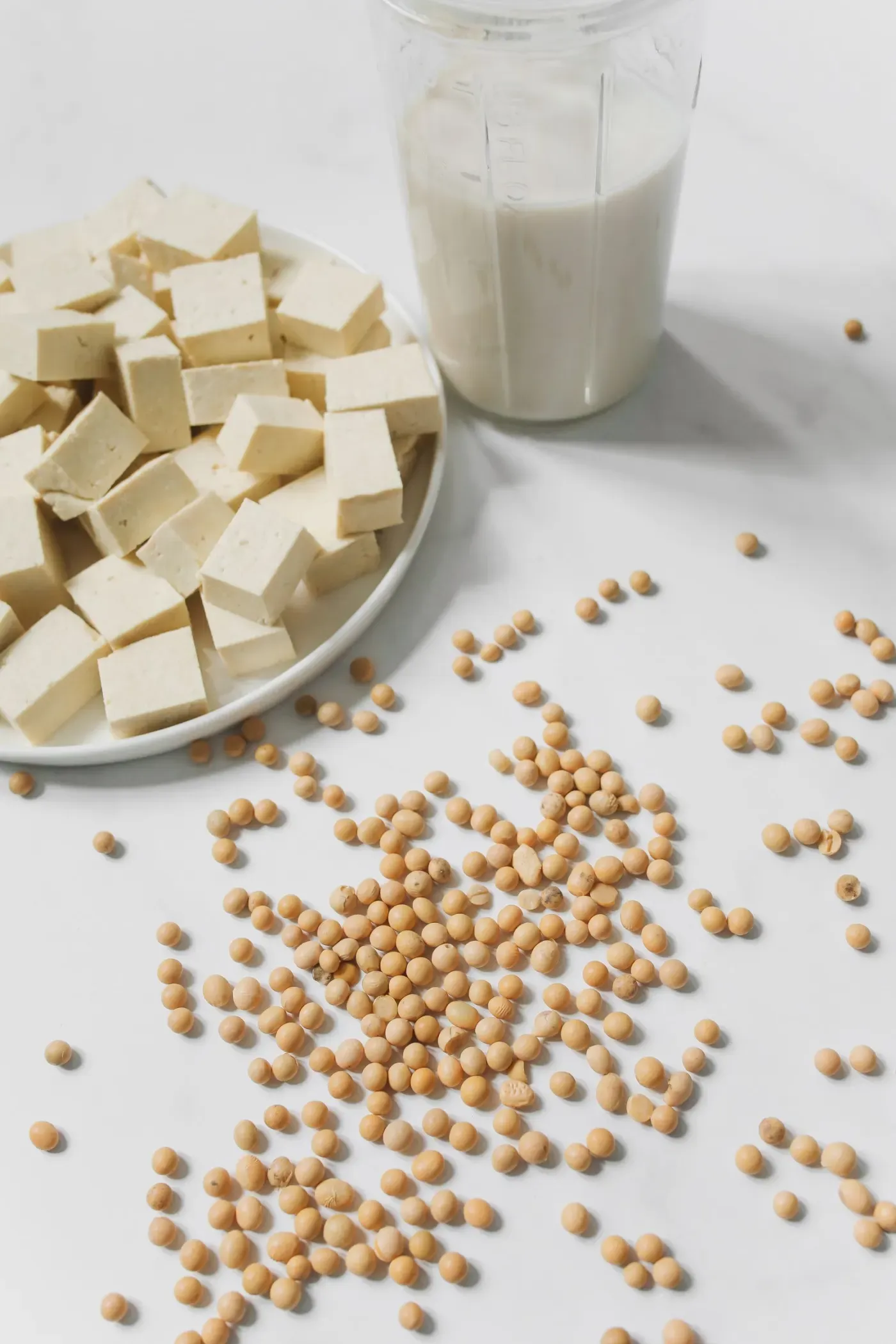
Protein Aggregation and Gelation
Watching soy milk become tofu as a percolation event — the gel point as a moment in time, not a texture, and the Winter-Chambon criterion for it.
Read the lecture →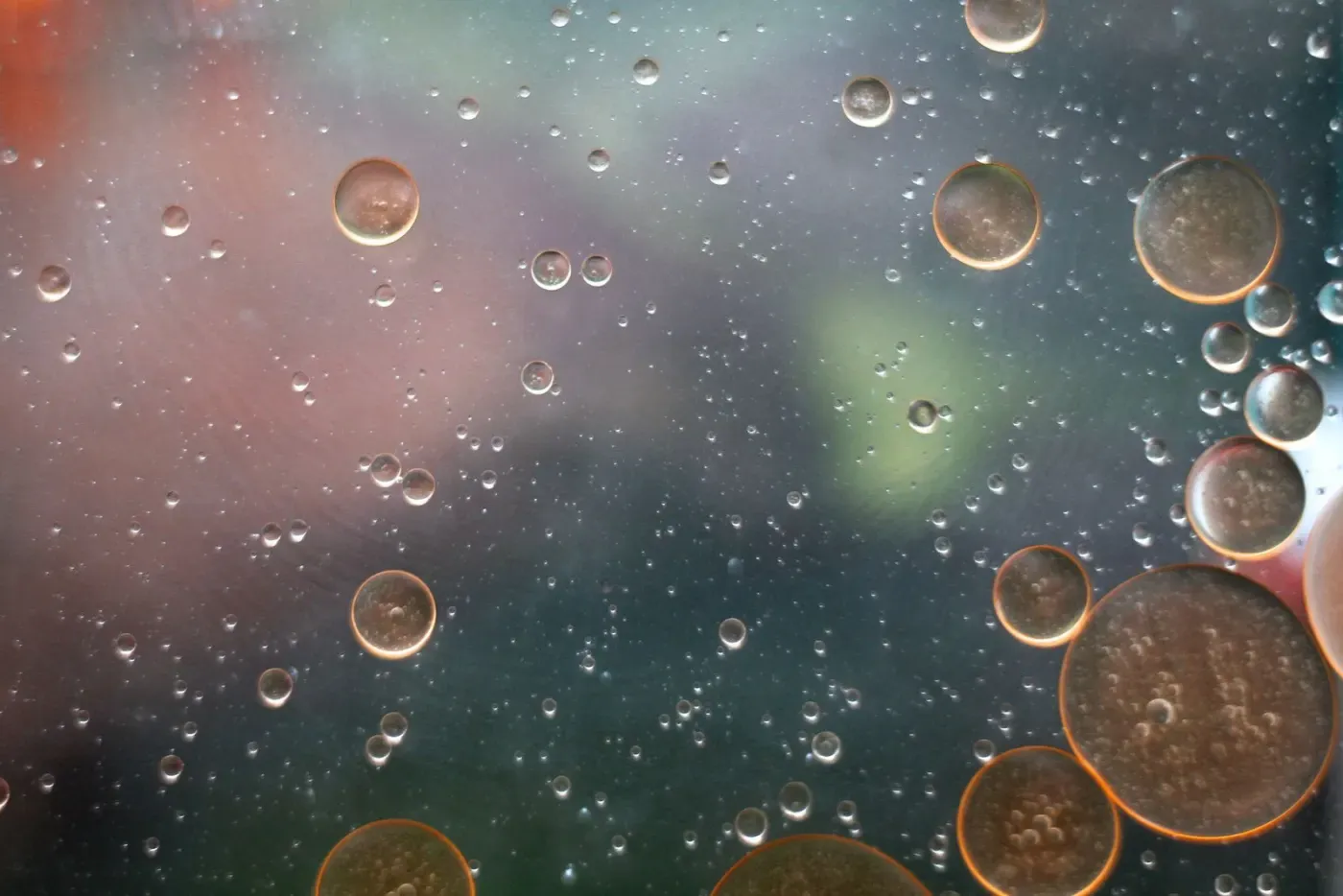
Colloids and Emulsions
Why a simmered broth turns milky and stays that way — Stokes' law, droplet size, and closing Stage 2's run of network-and-dispersion structures.
Read the lecture →
Stage 3 · Transport, Kinetics and Transformation
How that structure changes during cooking: transport, reaction kinetics and phase transitions.
Anchor lecture
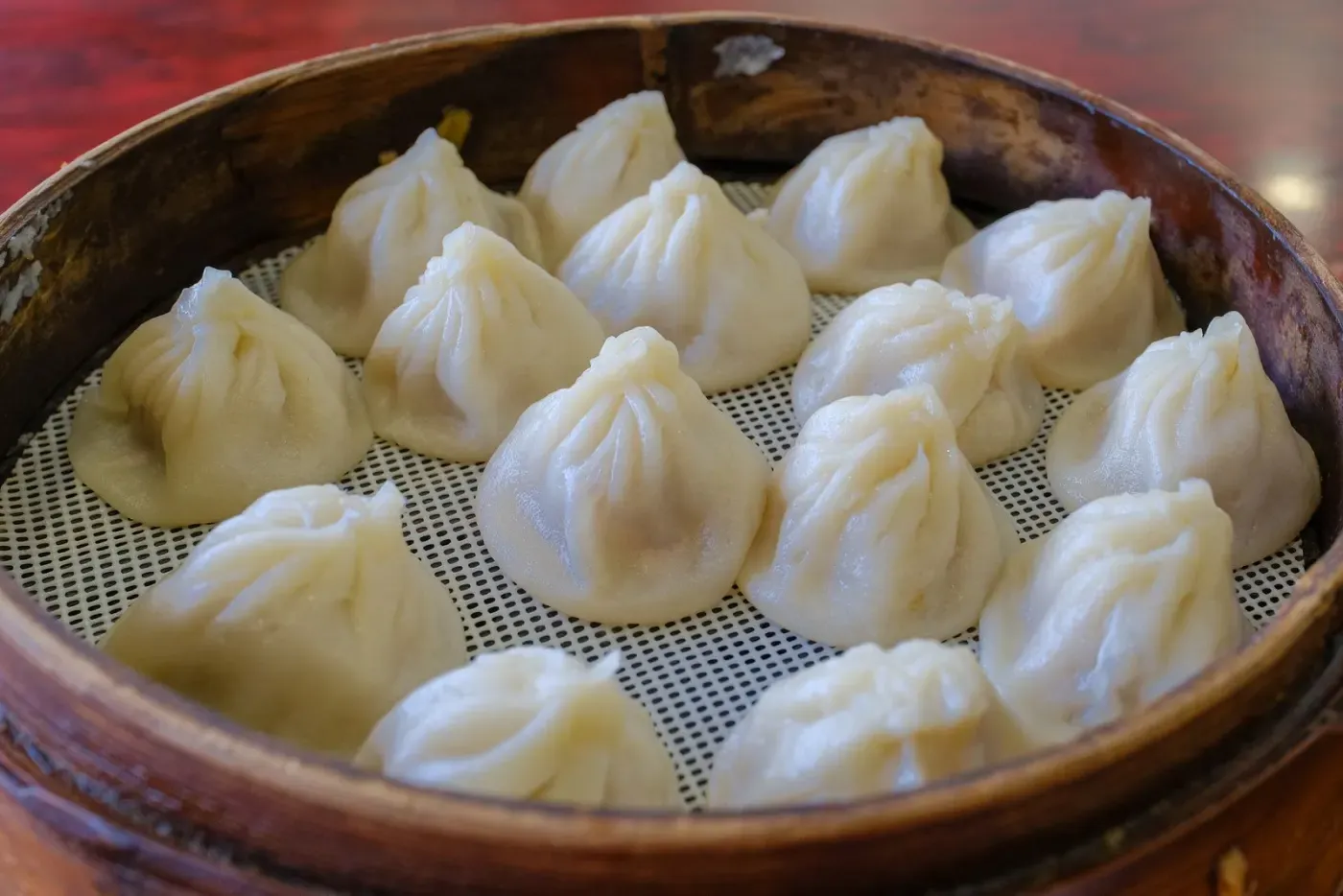
Stage 3 Overview: Transport, Kinetics and Transformation
Why cooking is best modelled as three coupled processes — heat and mass transport, reaction kinetics, and phase transition — not one vague "heat."
Read the lecture →
Reaction Kinetics
Why a small rise in oven temperature browns Peking duck skin much faster than the temperature difference alone suggests — the Arrhenius equation.
Read the lecture →
Phase Transitions in Cooking
What happens inside a youtiao as it deep-fries — a moving moisture front and a crust crossing its glass transition, closing Stage 3.
Read the lecture →
Stage 4 · Prediction and Material Design
Fitting models to data, mapping a design space, and inverting the problem to engineer a texture.
Anchor lecture
Stage 4 Overview: Prediction, Design, and the Crispness Deep-Dive
How Stage 4 turns Stage 3's models into predictions and then a design tool, with a full lecture on crispness as a metastable material state.
Read the lecture →The Crispness Design Space
Turning Module 9's glass transition into a map — temperature and moisture bounding a crisp region on two sides, and why a cracker in humid air softens.
Read the lecture →Inverse Material Design
The capstone design problem — given a target texture, work backward through the course's models to choose a formulation and a process.
Read the lecture →