
Leica M-Mount Film Cameras
In 1954 Leitz replaced the screw mount with a bayonet fitting — the M-mount — that let a lens be attached with a quarter-turn rather than several full rotations. The new mount arrived alongside a completely redesigned viewfinder that combined the rangefinder patch and frame lines into a single bright window, and a body that finally allowed rapid film loading. The "M" stands for Messsucher, German for "rangefinder", and the M-mount remains, in modified form, the lens fitting Leica still uses on its rangefinder cameras today.
The line that followed spent five decades trading off simplicity against added features: metering came and went, bodies got briefly larger before shrinking back down, and later models split between purist mechanical cameras and electronically metered ones. The table below lists the film M cameras in the order they were released.
| Photo | Model | Year | Notable feature |
|---|---|---|---|
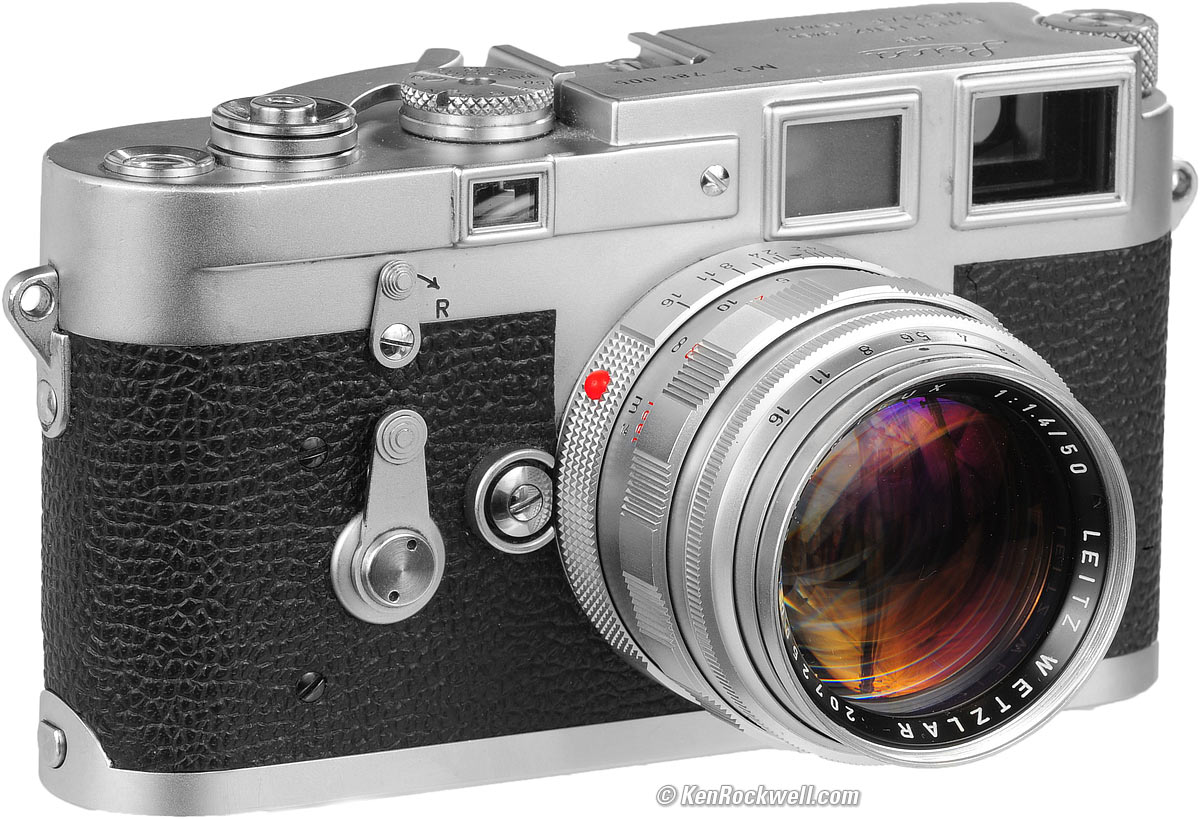 |
M3 | 1954 | First M-mount camera, accounting for a third of Leica's film-rangefinder sales with almost 700,000 units produced. Combined viewfinder/rangefinder with parallax correction, featuring the largest magnification of any M camera at 0.93x. |
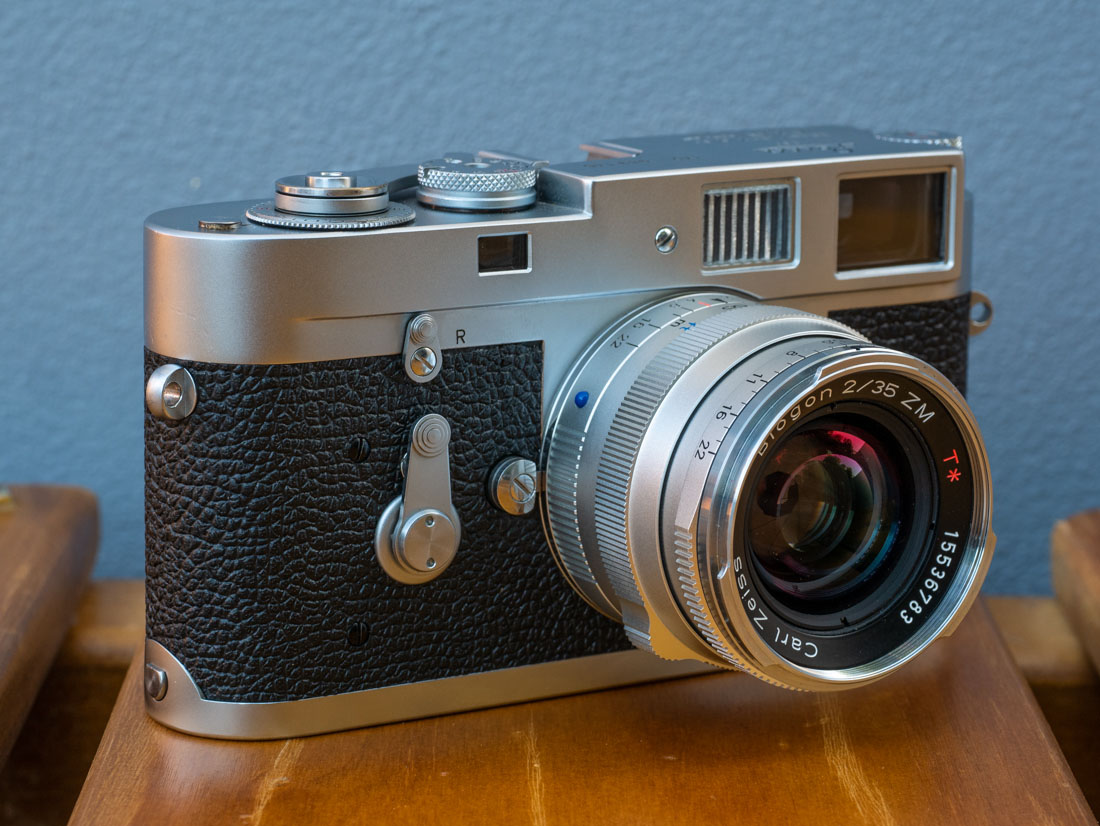 |
M2 | 1958 | Simplified viewfinder establishing the new standard 0.72x magnification and adding a wider 35mm frame line. Requires a manual reset for the exposure counter. |
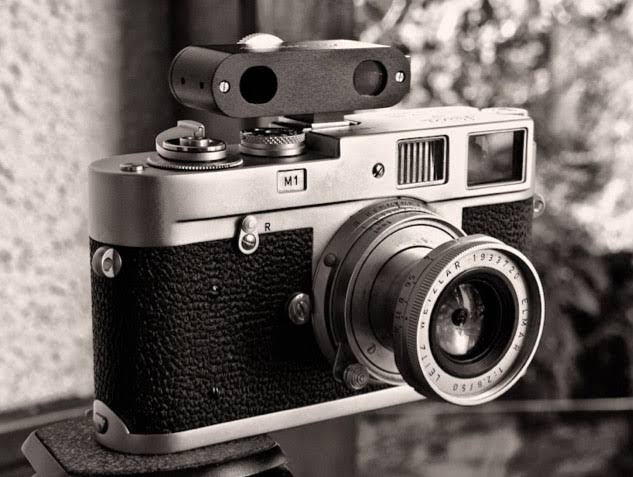 |
M1 | 1959 | A budget model made chiefly for scientific purposes, featuring a viewfinder with 35mm and 50mm frame lines but completely omitting the rangefinder. |
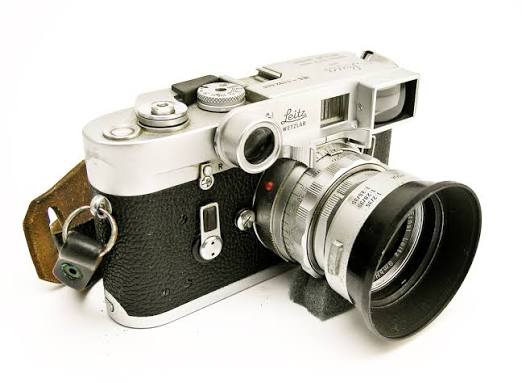 |
M4 | 1967 | Introduced an articulated film advance lever, an angled rewind crank, and a quick-loading take-up spool that no longer required removal. |
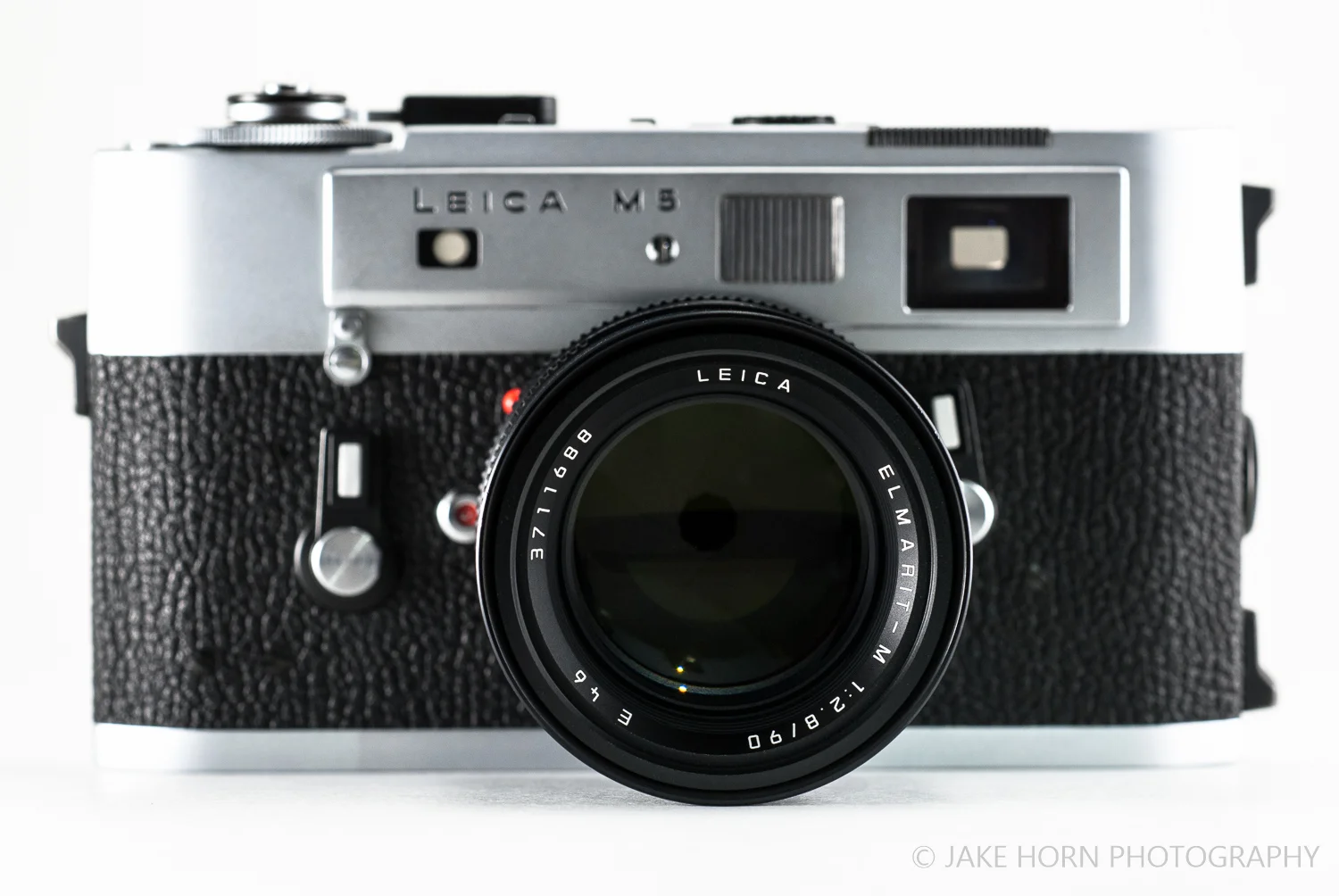 |
M5 | 1971 | First M camera with built-in TTL match-needle exposure metering, necessitating a significantly larger and heavier body. |
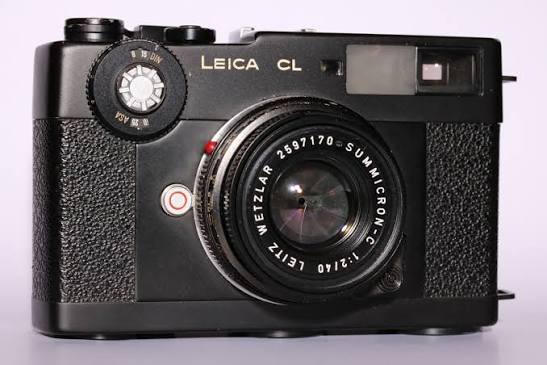 |
CL | 1973 | A very compact model (two-thirds the size of an M2) designed by Leica but manufactured by Minolta, featuring bright-line frames for 40mm, 50mm, and 90mm. |
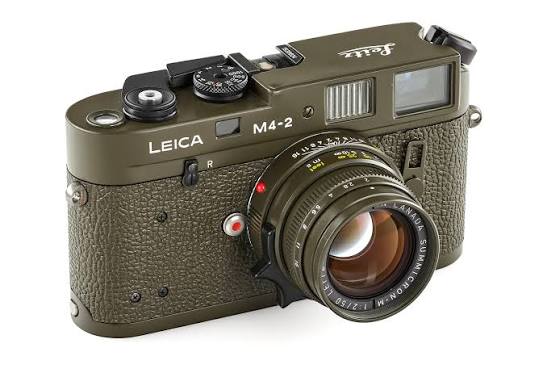 |
M4-2 | 1977 | Returned to the classic M4 form factor while reducing manufacturing costs by moving production to Canada, replacing brass components with zinc, and removing the self-timer. Allowed for an attachable motor winder. |
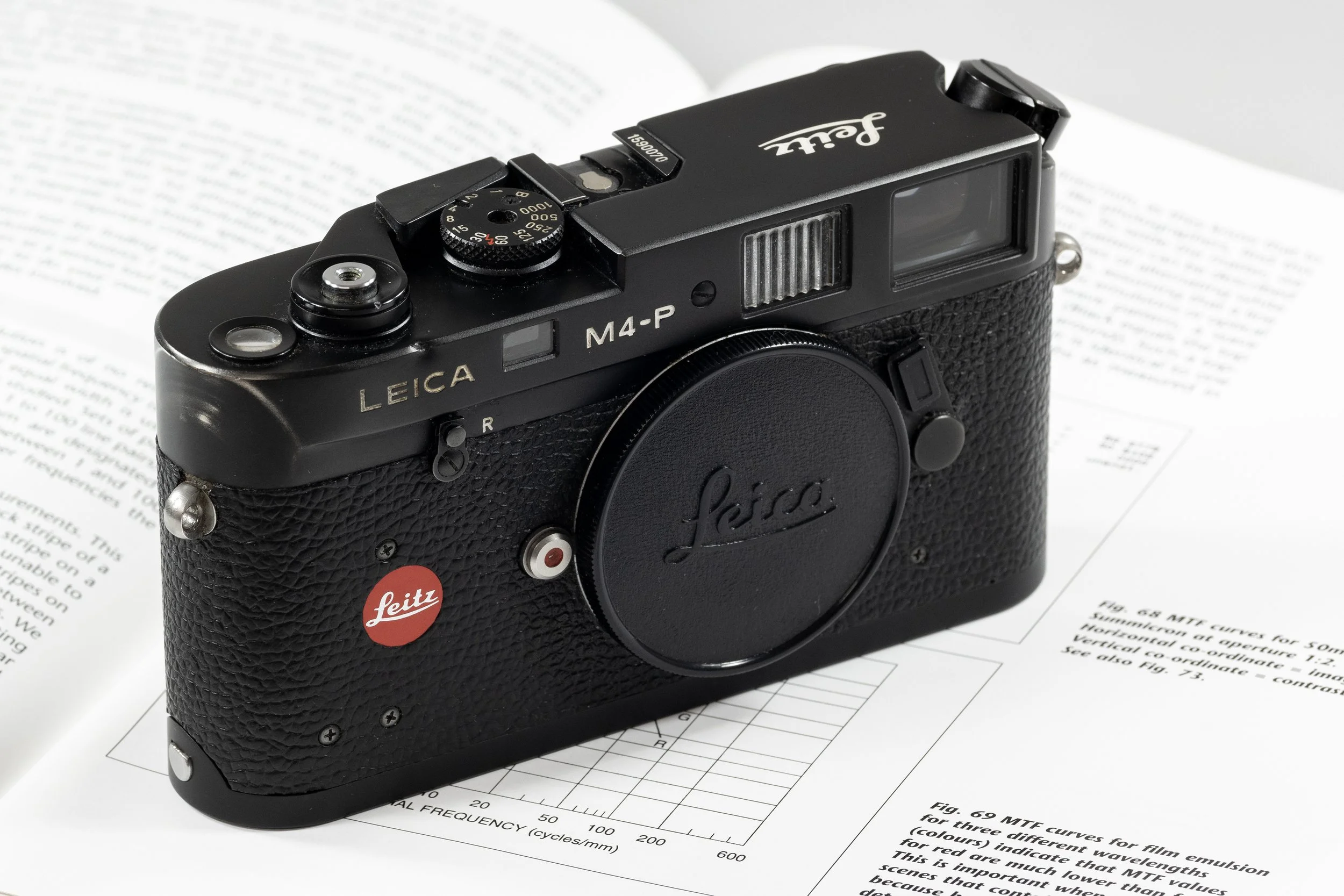 |
M4-P | 1980 | Added frame lines for wider and longer lens options, establishing the 28/90, 35/135, and 50/75mm pairings as the new standard. |
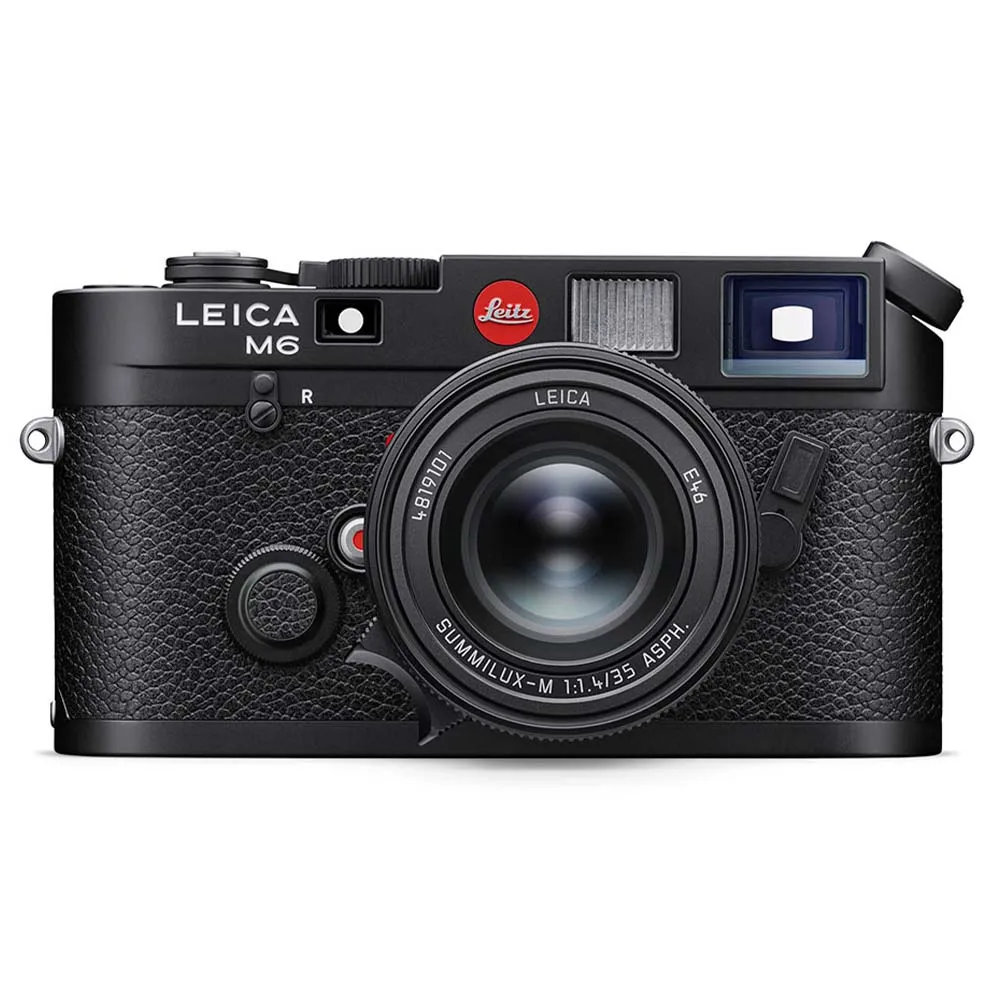 |
M6 | 1984 | Restored TTL metering with simple LED arrows in the viewfinder, housed back in the classic M body size while retaining a fully mechanical shutter. |
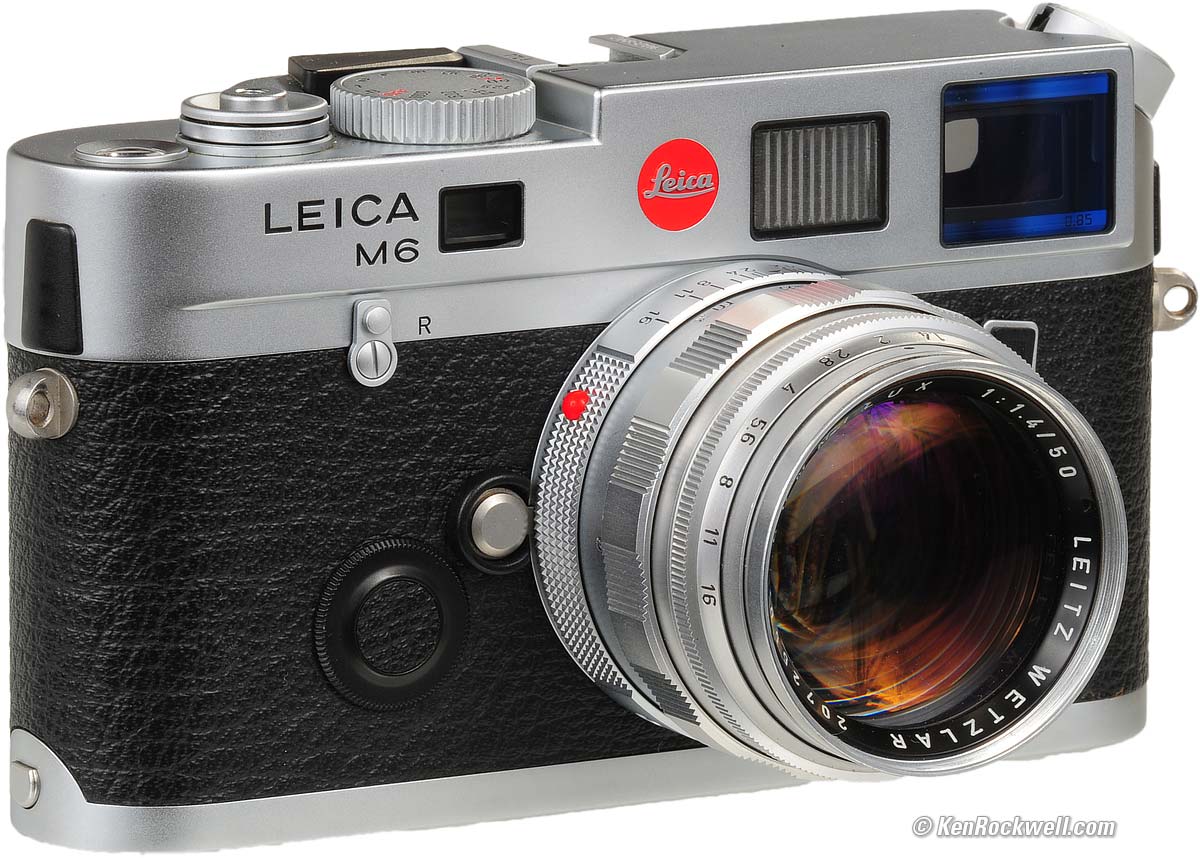 |
M6 TTL | 1998 | Improved "Through The Lens" flash metering and featured a larger shutter speed dial that turned in the opposite direction, adding 2mm to the top plate's height. |
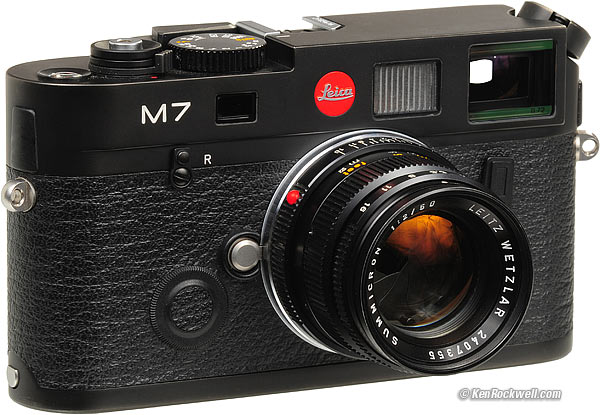 |
M7 | 2002 | First M film camera with aperture-priority auto exposure, utilizing an electronically controlled shutter (only 1/60s and 1/125s function mechanically without power). |
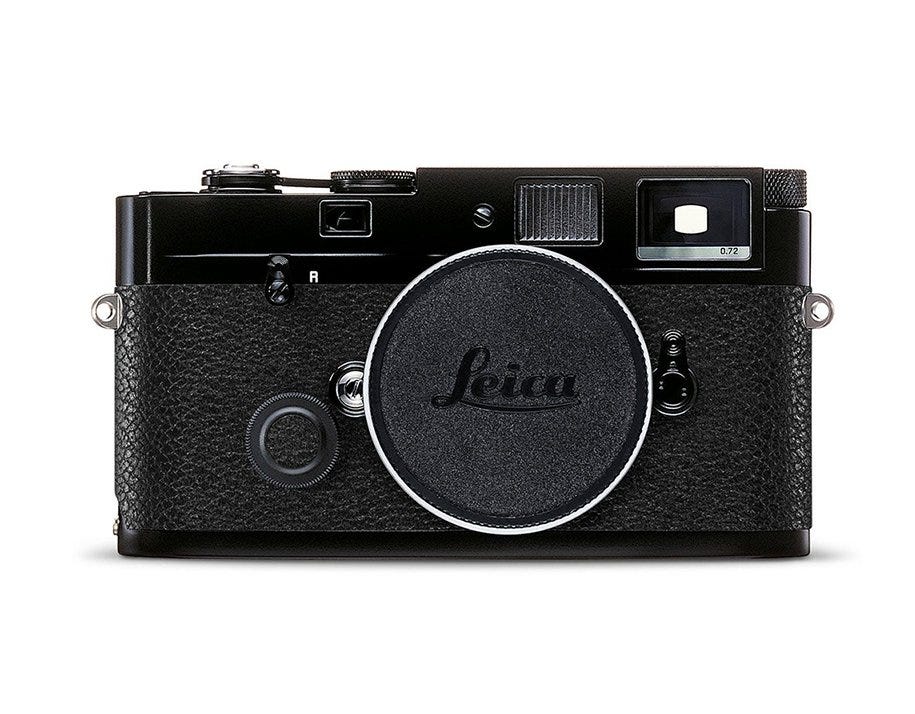 |
MP | 2003 | Fully mechanical shutter with an integrated LED meter, designed with an improved flare-free finder and aimed at purist users (omitting the red Leica logo for a stealthy look). |
| M-A | 2014 | No meter and no self-timer at all — a deliberately stripped-back, fully mechanical body representing the purest form of the M system. |