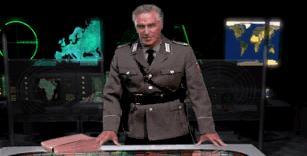
A campaign engagement is not a single battle but a sequence of them, each briefed, fought, and debriefed as part of a larger strategic narrative. Command assigns these missions in order, and each one builds on the outcome of the last — resources, unlocked technology, and even surviving veteran units can carry forward from one operation to the next, depending on the theatre's rules of engagement.
Structure
Both the Allied and Soviet war offices have published full campaign records, each telling their side's version of the same war. A campaign mission typically opens with a briefing outlining the strategic objective, followed by the engagement itself, and closes with a debrief assessing losses and strategic gains. Missions escalate steadily in scale and difficulty, mirroring the real war's own progression from desperate defence to full offensive.
What sets it apart
Unlike a skirmish or multiplayer engagement, a campaign mission is scripted with specific objectives beyond simple destruction of the enemy — rescue a scientist, hold a position for a fixed duration, escort a convoy through hostile terrain. Field officers should read every briefing carefully; a campaign mission won by brute force alone, ignoring its actual objective, is frequently recorded as a failure regardless of the enemy casualties inflicted.
Command considers the campaign record the definitive account of this war, whichever flag is doing the recording.
You are visitor number006269
Sources & credits