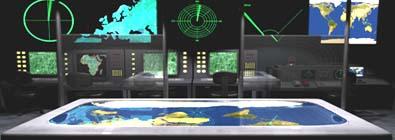
When Albert Einstein's temporal experiment erased Adolf Hitler from history, the Allied Nations expected peace. Instead, an unchecked Soviet Union under Premier Josef Stalin filled the vacuum, and by the time our analysts understood what had happened, Soviet armour was already rolling across Eastern Europe. This campaign record tracks the Allied response, from the first desperate defensive actions to the counteroffensive that broke the Soviet advance.
Opening defence
The campaign opens with Allied forces badly outnumbered and fighting a delaying action across the European mainland. Early missions task field commanders with evacuating key scientists and holding coastal footholds long enough for reinforcements to arrive from Britain and the Americas. These missions establish a pattern that repeats throughout the war: the Allies rarely win by weight of arms, and must instead win by superior positioning, technology, and nerve.
The counteroffensive
Once Allied production catches up, the campaign turns aggressive. Naval superiority becomes decisive here — Allied Destroyers and Cruisers strangle Soviet coastal supply lines while ground forces push inland behind a screen of Ranger scouts and artillery. Tanya's introduction midway through the campaign marks a turning point: single-operative sabotage missions begin softening Soviet installations ahead of every major push, a tactic Soviet command never fully develops a counter for.
The final push
The campaign's closing missions drive directly at Soviet command infrastructure, culminating in operations aimed at Stalin's own war effort. Allied doctrine throughout emphasises precision over numbers: smaller, better-supported strike forces, air and naval support wherever the map allows it, and a willingness to trade territory for time when the alternative is losing an army in a war of attrition the Allies cannot win.
Field officers studying this campaign should note how often Allied victories come from denying the Soviet Union its preferred battle — massed armour in open ground — rather than meeting it head-on.
You are visitor number005425
Sources & credits