Cataract Gorge Reserve
Explore the Gorge
Launceston's own piece of wilderness, 15 minutes' walk from the city centre — with a lot more to do than just ride the chairlift.
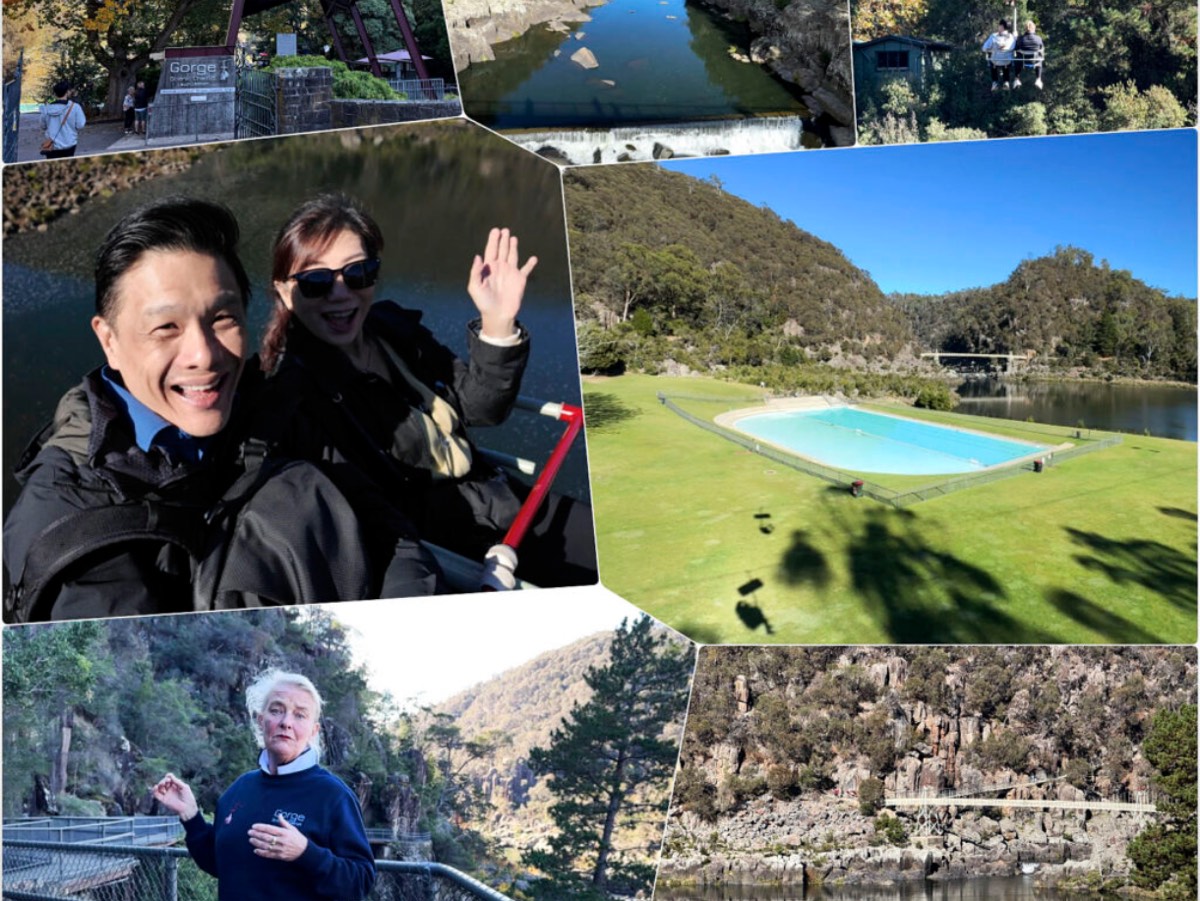
The swinging bridge
This historic suspension footbridge is about 60 metres long and crosses the First Basin — one of only three ways over the gorge, alongside the chairlift and Kings Bridge. When the South Esk River is running high, the water below can be quite a sight.
Swimming pool & basin
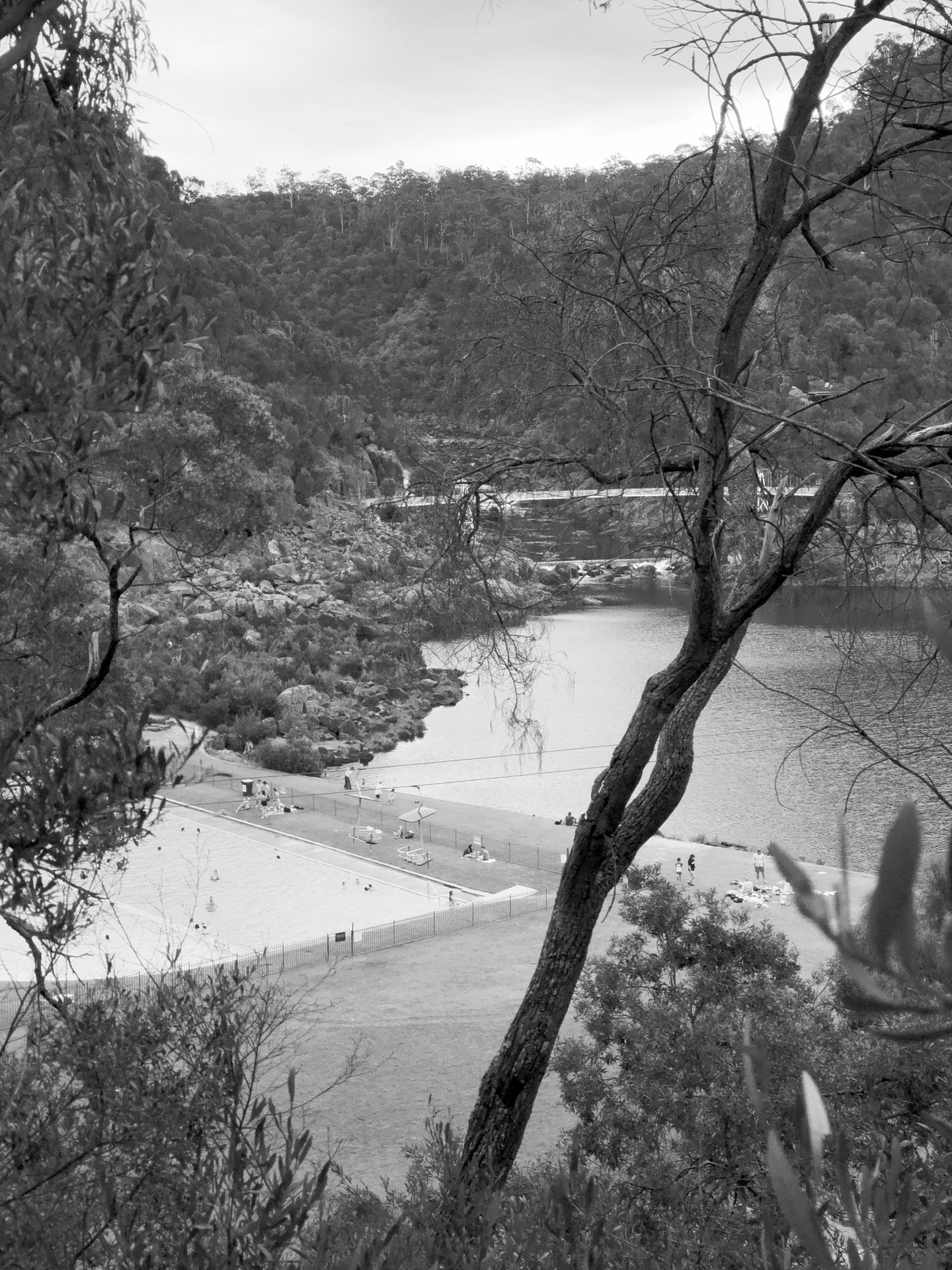
Over the warmer months, visitors flock to the Gorge to swim in both the pool and the natural basin.
The pool
Fenced for safety, with lifeguards on duty at peak times. Drained over winter, when it's prone to flooding.
The basin
The natural, freshwater First Basin. Swimming here is at your own discretion.
Playground & picnics
Set up a picnic, relax on the lawns, and let the kids run free — the playground sits right at the centre of it all.
Flora
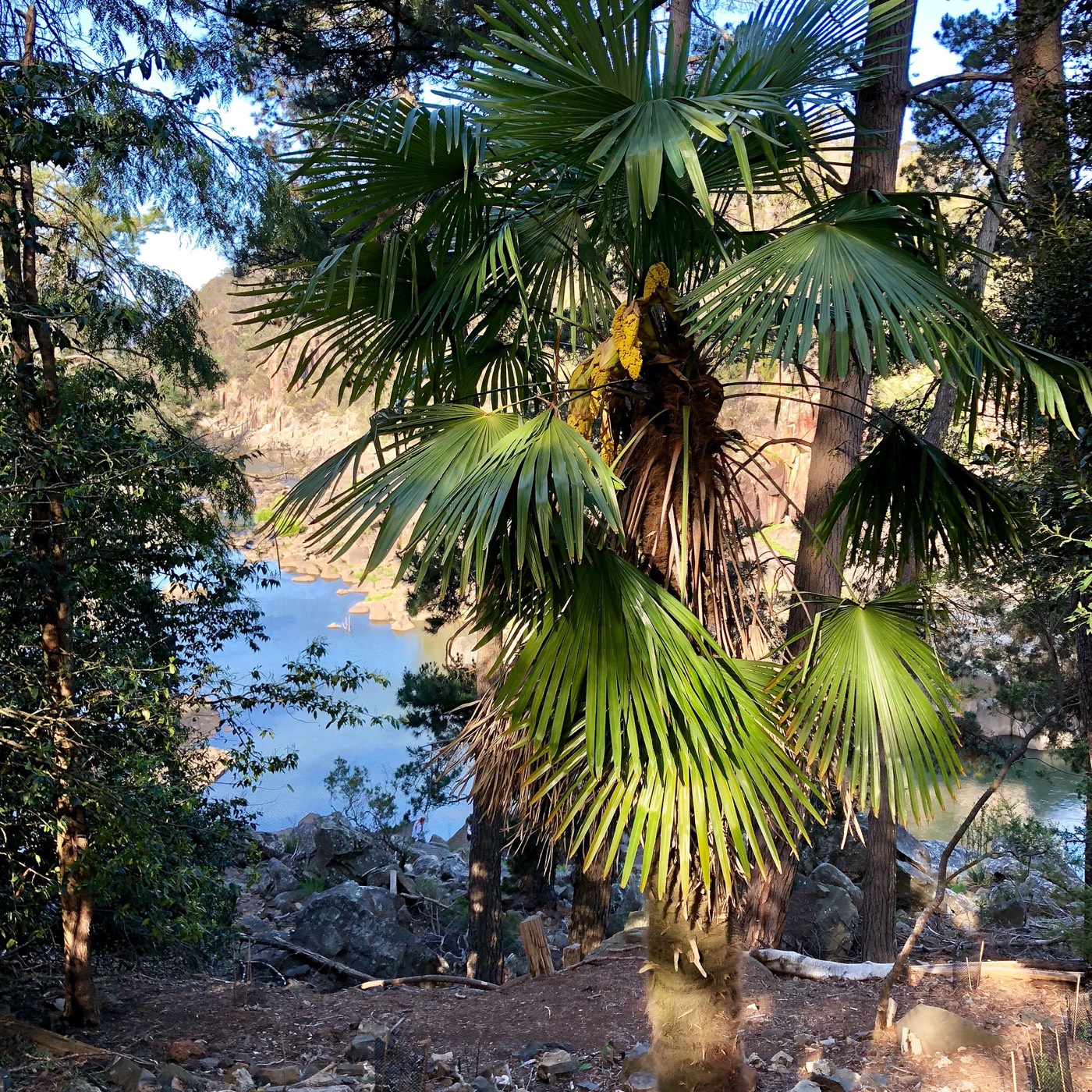
Tasmania is home to some of the most ancient plant species on earth, and the Gorge has nearly 300 recorded native plant species across six distinct communities: she-oak forest, grassy woodland and forest, native grassland, dry sclerophyll forest, riparian vegetation and wet gully scrub.
Fauna
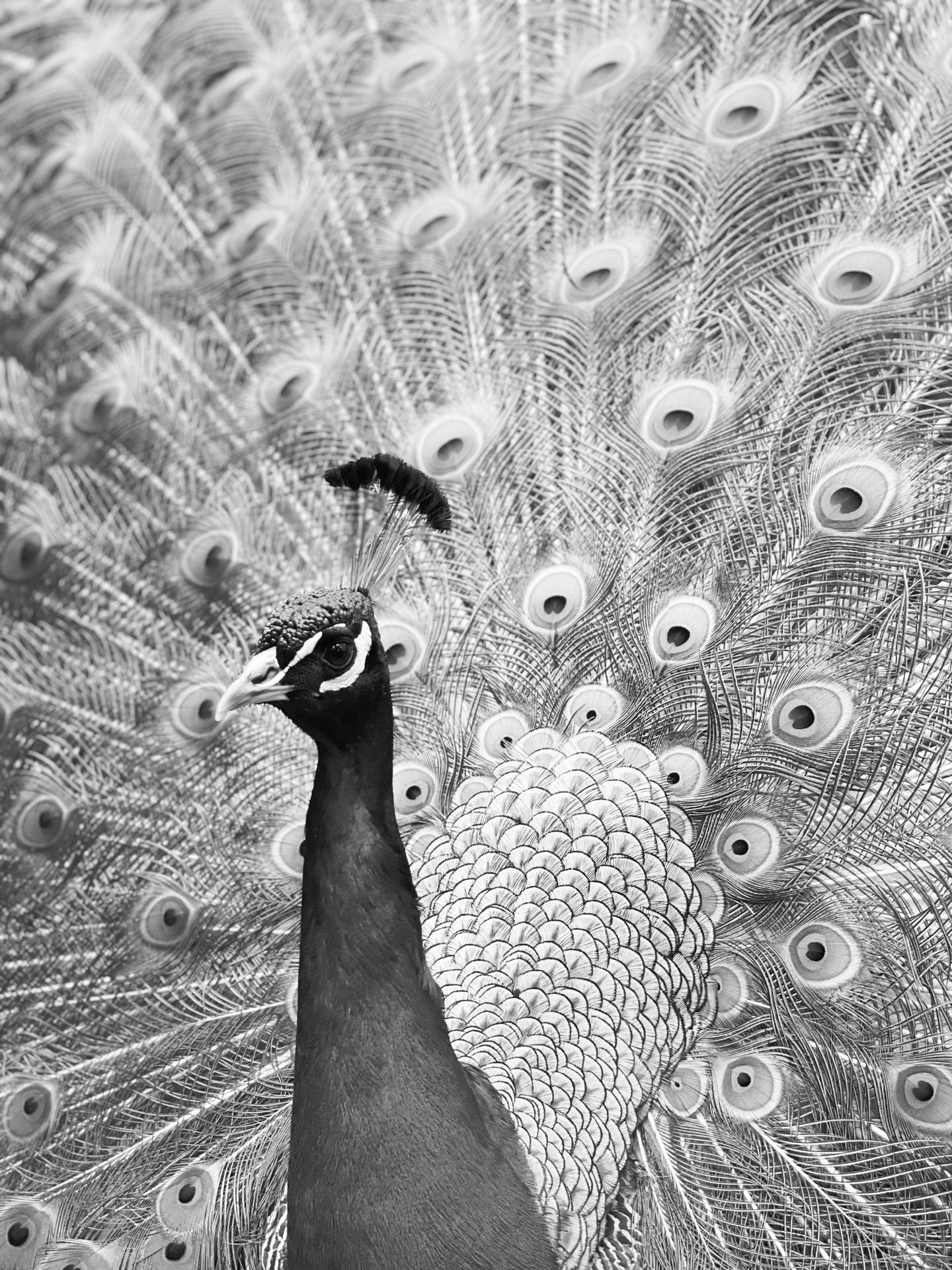
At least sixteen mammal species and nine reptiles call the Gorge home, alongside frogs, skinks, eels and fish in its waters — and even a rare Cataract Gorge snail. Wallabies graze the Cliff Grounds lawns; wombats, echidnas and pademelons forage the upper slopes. Keep an eye out too for the peacocks that roam freely around the Cliff Grounds — a favourite with visitors since the early 1900s.
Birdlife is just as rich: honeyeaters, finches, wattlebirds, pardalotes, robins and wrens by day, with bats, owls and tawny frogmouths calling after dark.
A different gorge every season
Every season brings its own experience — this is what makes the Gorge such a special place to ride above, again and again.
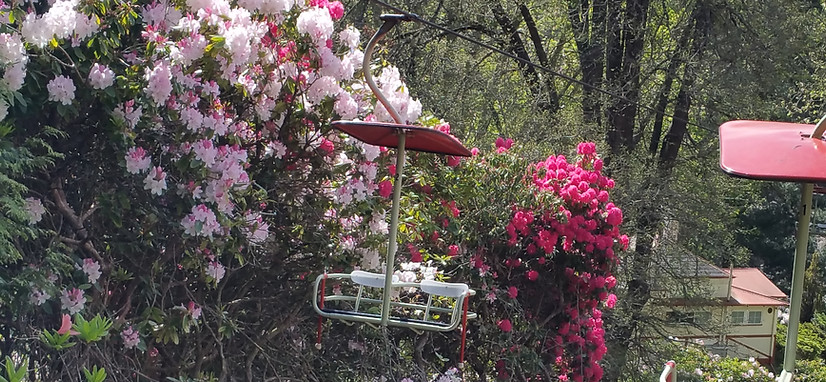
Spring
The gardens burst with colour — ride in through rhododendrons as tall as trees as the days lengthen.
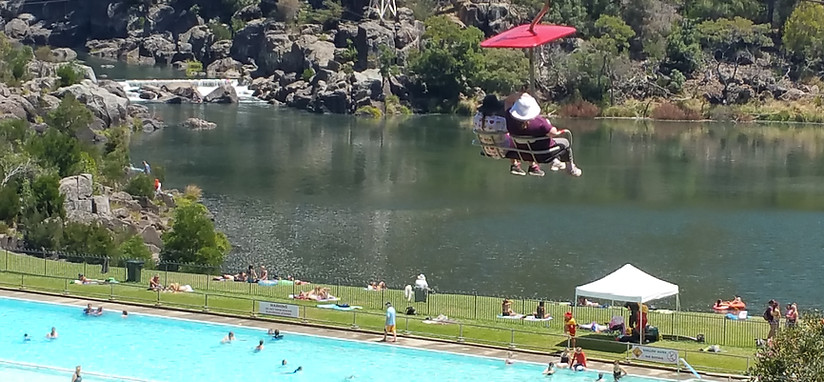
Summer
Long, sunny days when the Gorge sparkles and draws a crowd (by Tasmanian standards) — watch swimmers and walkers from above as you ride.
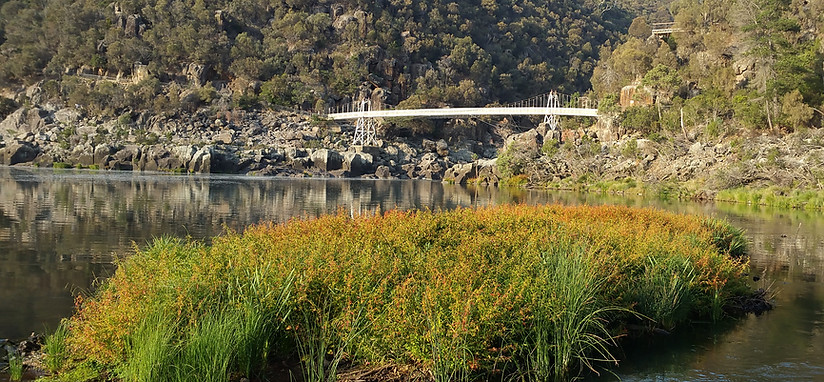
Autumn
Spectacular colour and a brisk change in the air. Still generally mild and crisp — extra layers are optional.
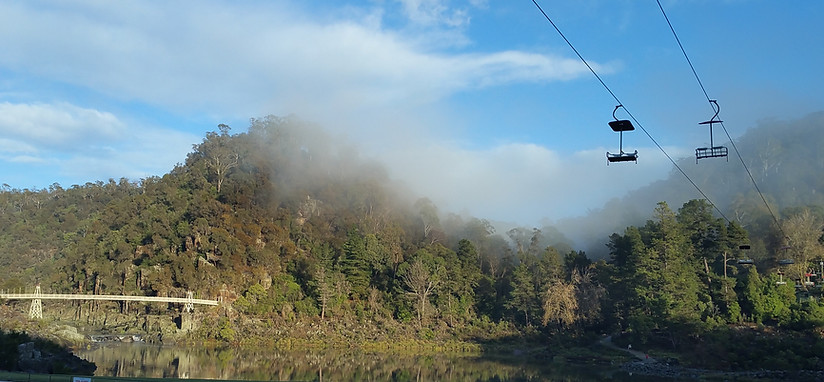
Winter
Crisp air, ground frost, and foggy mornings where you float through the mist with the cliffs peeking through. After heavy rain, the South Esk can put on an epic show.
Amenities
Toilets are located on both sides of the Gorge, with change rooms on the West Launceston side, and free public BBQ facilities dotted around the reserve — please clean up after use.