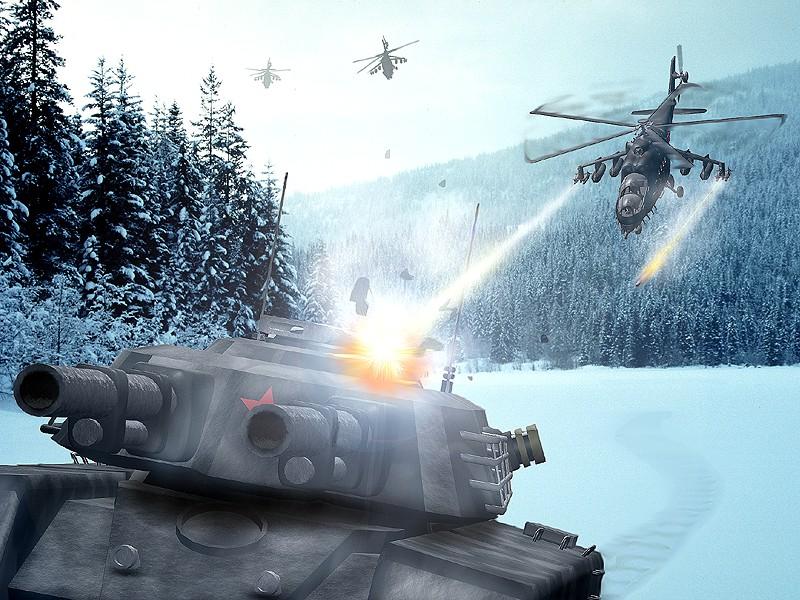
Nothing tests a commander's doctrine quite like facing a living opponent. Multiplayer engagements pit real commanders — Allied, Soviet, or officer against officer of the same flag — against one another across any of the war's known theatres, with neither side following a script.
Structure
Multiplayer battles can involve two commanders or many, allied into teams or free-for-all, and are typically fought under the same basic rules as skirmish: build a base, gather ore, field an army, and break the opposition. What separates it from skirmish is that the enemy is a person, not a standing garrison following fixed orders — every decision an opposing commander makes is a genuine tactical response, not a predictable pattern to be learned and exploited.
What sets it apart
Multiplayer command lines move faster than any scripted mission — human opponents adapt mid-battle in ways no standing orders can fully anticipate, and reputations in this war are built and broken on multiplayer results as much as on official campaign records. Some of the most studied engagements of the entire war took place not on a real front, but between two commanders proving a point to each other on Tournament Island.
Command treats multiplayer results as a genuine measure of a field officer's skill, separate from and sometimes more telling than their record in the official campaign.
You are visitor number007139
Sources & credits