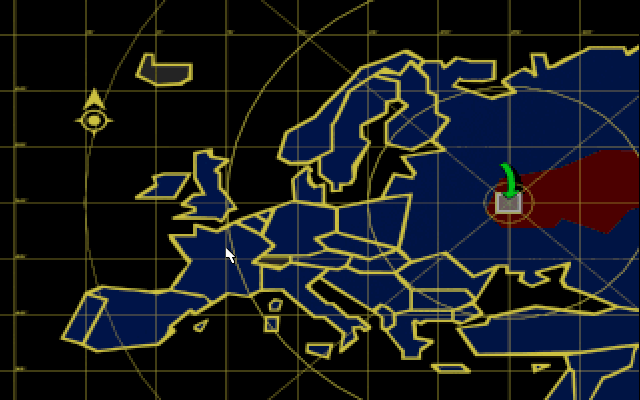
The Allied Nations formed in the chaos following the Soviet Union's sudden, unexplained rise — a coalition of Western European powers, Britain foremost among them, joined by volunteers and materiel from across the Atlantic. Where the Soviet war machine relies on mass, the Allies have made a doctrine out of necessity: fewer units, better trained, better supported, and deployed with more care than the enemy affords his own.
Doctrine
Allied strategy favours combined arms over brute force. Naval power projects influence far beyond the coastline, Ranger scouts extend the eyes of every commander well past the front line, and airpower, where committed, tends to arrive with surgical intent rather than in overwhelming waves. It is a doctrine built by nations that cannot afford to lose armies carelessly, and it shows in how cautiously Allied command commits its forces to any single engagement.
Industry
Allied factories favour precision engineering over raw output — fewer tanks roll off Allied production lines than Soviet ones, but each is built to a standard the Union rarely matches. This extends to the Allies' signature contribution to the war: covert operatives like Tanya, whose singular skill is worth more to Allied planners than a company of conventional infantry.
On the field
An Allied army rewards a patient commander. Rifleman and artillery hold ground cheaply while naval and air assets do the expensive work of breaking an enemy's will to keep attacking. Allied forces struggle in a straight fight against Soviet numbers, and every experienced Allied commander knows better than to offer one — the war is won by choosing where and when to fight, not by matching the enemy tank for tank.
The Allied Nations did not ask for this war. Their doctrine, their industry, and their soldiers all reflect a coalition still learning to fight one it never wanted.
You are visitor number009034
Sources & credits