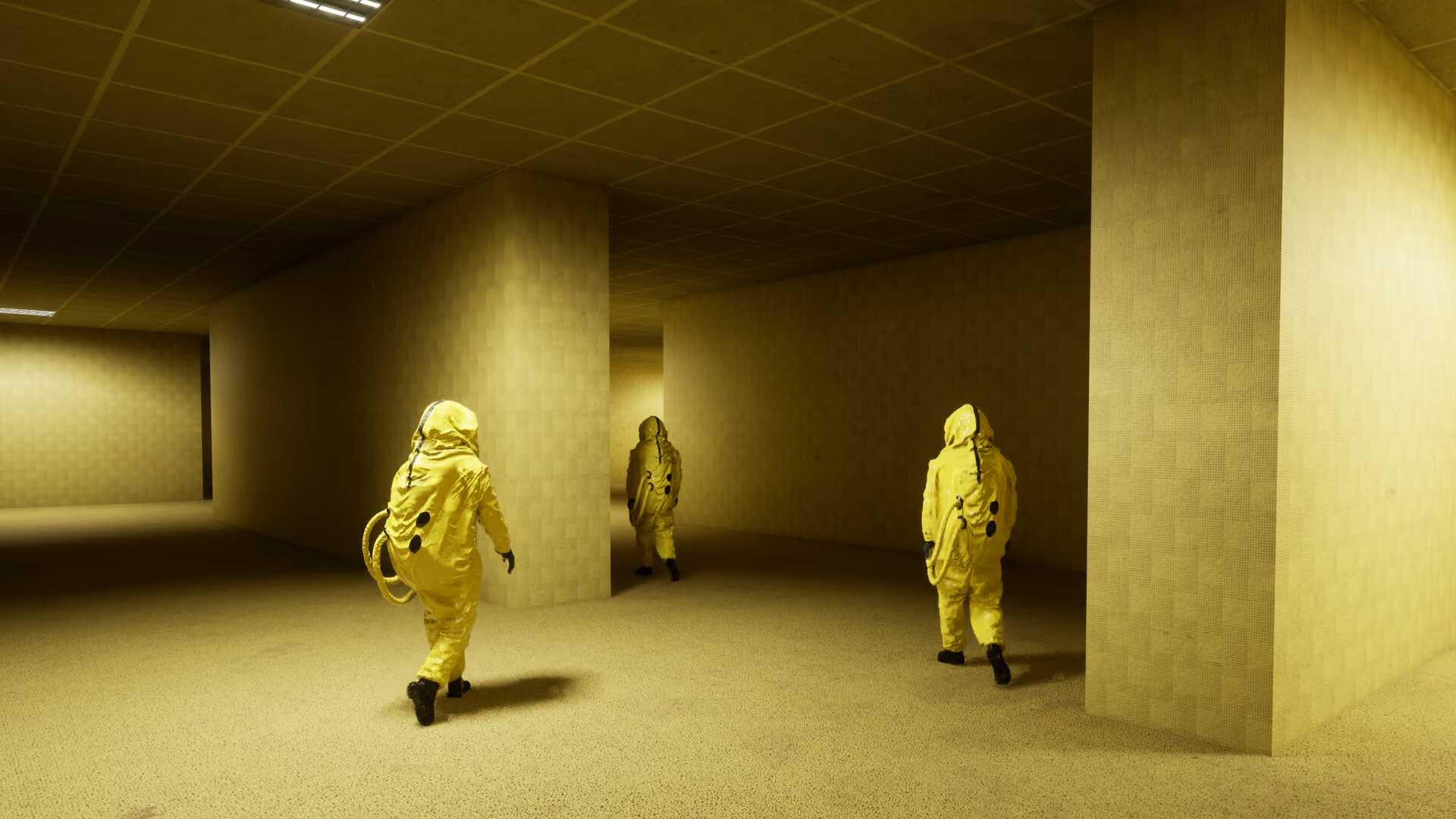
An applied research methods course in observing, classifying and containing anomalous phenomena. Students run supervised on-campus fieldwork, undertake a comparative desk study of documented cases beyond campus, and apply cross-cultural warding traditions as practical countermeasures.
You have probably encountered an anomaly already.
You may not have called it that.
- A corridor that was longer on the way back.
- A classroom that appeared to be occupied after everyone had left.
- A reflection that moved a fraction too late.
- A voice from somewhere you were certain was empty.
Most anomalous phenomena are not dramatic. They occur briefly, leave incomplete evidence, and are easily explained away.
This is precisely why they require training.
SLOP3646: Applied Anomalology teaches students how to observe, classify, investigate, and respond to anomalous phenomena in ordinary campus environments.
Because when something impossible happens in the middle of an otherwise normal day, you still have a class to get to.
What you will do
Log, corroborate and classify anomalous phenomena using this course's observational method. Run two supervised on-campus observations under the fieldwork safety protocol. Survey a regional and a global corpus of documented cases as comparative desk study, then evaluate the competing theoretical frameworks currently offered for what those cases converge on. You leave with a case file, a comparative literature review, and a containment/warding protocol for a novel case — the method, exercised end to end, on cases you're expected to recognize from your own life.
Who it is for
Students who can log an observation without interpreting it as they go, and who can treat a protective ritual, a contested causal theory, or a widely-circulated report as evidence to be weighed rather than folklore to be dismissed. No prior anomalology is assumed. A working comparative-method habit from any empirical discipline transfers directly — the phenomena are new to the discipline; the discipline of observing them isn't.