Placeholder examples of what the course's techniques can build, pulled from each week's lecture deck.
Every lecture deck closes with a couple of images showing what that week's technique can build toward. These are all placeholders, not real student work — collected here in one place as a preview of the range across the semester, from hand-painted games to laser-cut mechanisms. Some stand as complete pieces on their own; others are single-technique components, meant to be combined with a technique from a different pillar into something that suitably fits the final project's brief.
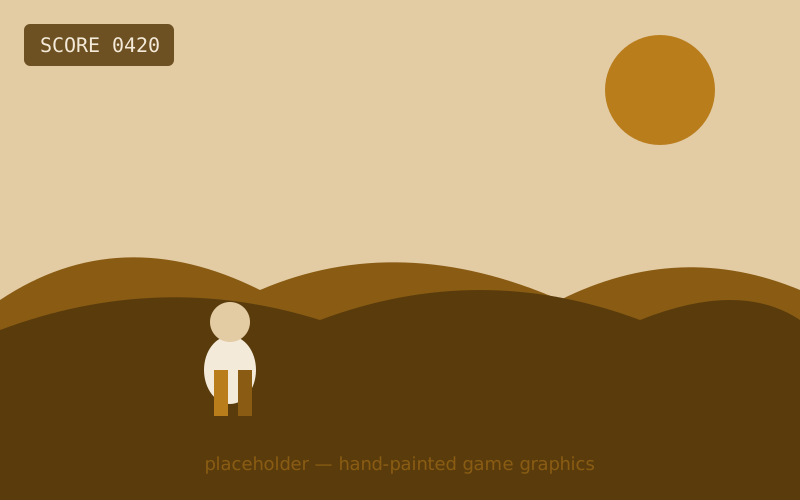
A fully hand-painted game
Week 1 · Digitizing media
A game built entirely from hand-painted artwork rather than scanned or photographed assets.
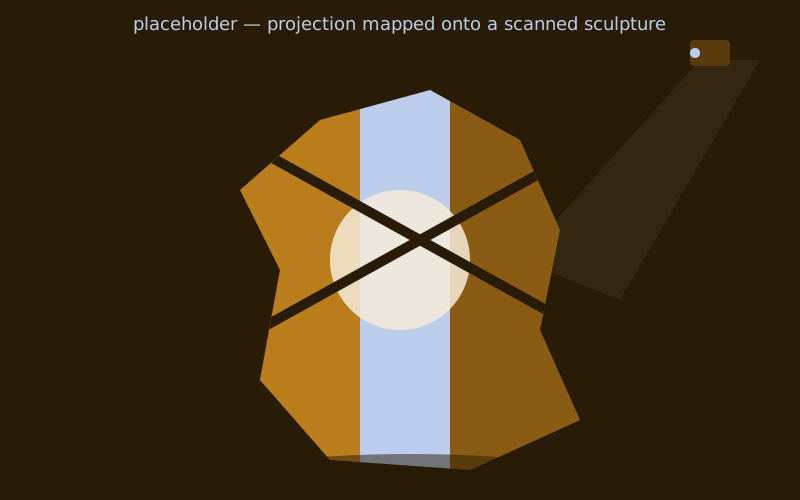
Projecting onto a scan
Week 1 · Digitizing media
A scanned sculpture with a computed light pattern projection-mapped onto its own irregular surface.
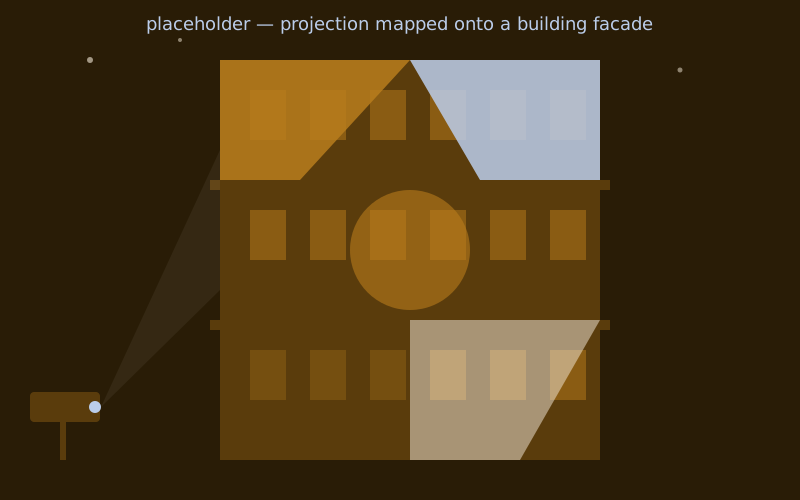
Mapping a building facade
Week 2 · Projection mapping
A building facade carrying a computed light pattern, mapped precisely onto its own geometry.
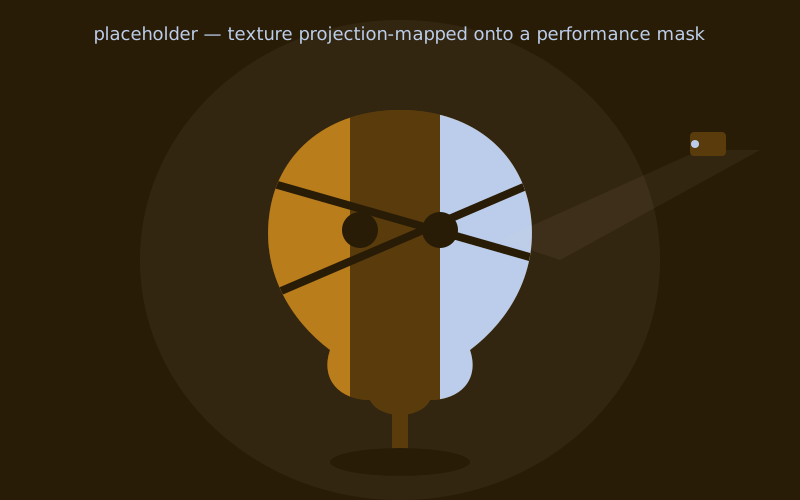
A mapped performance prop
Week 2 · Projection mapping
A performance mask or prop with a texture mapped onto its own irregular surface.
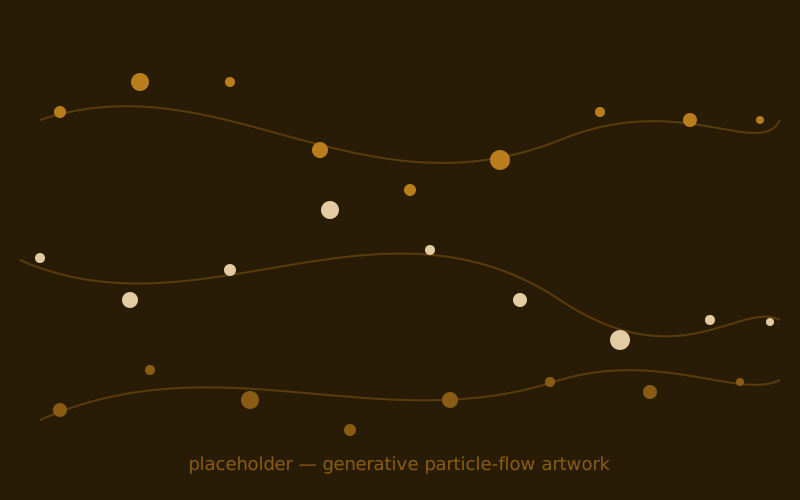
A generative artwork
Week 3 · Creative coding
A generative artwork built from the same p5.js shapes and motion as a first sketch, scaled up.
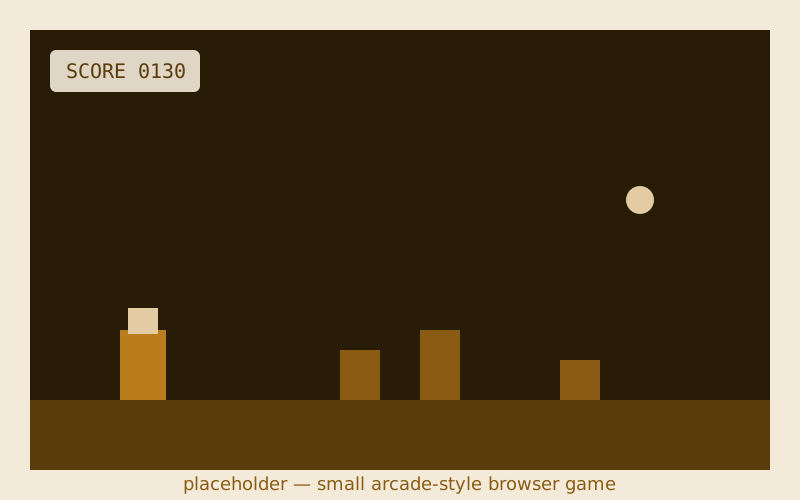
A small arcade game
Week 3 · Creative coding
A small arcade game with a canvas, an input-driven sprite, and a score readout.
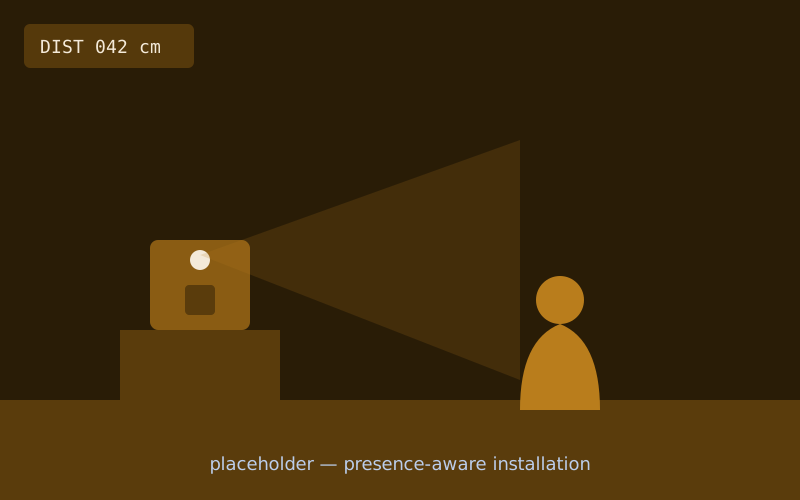
A presence-aware installation
Week 4 · Sensors
An installation that senses a visitor approaching, using nothing more than a distance sensor.
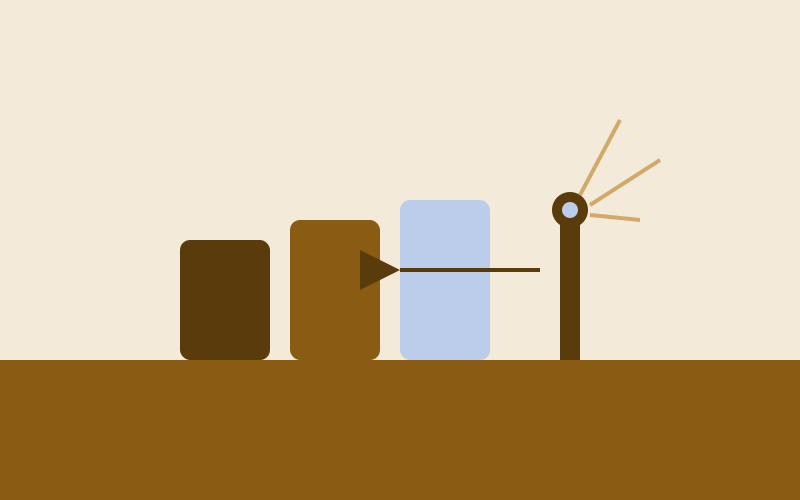
A quietly reactive object
Week 4 · Sensors
An object whose light or sound sensor reading drives a subtle, visible change.
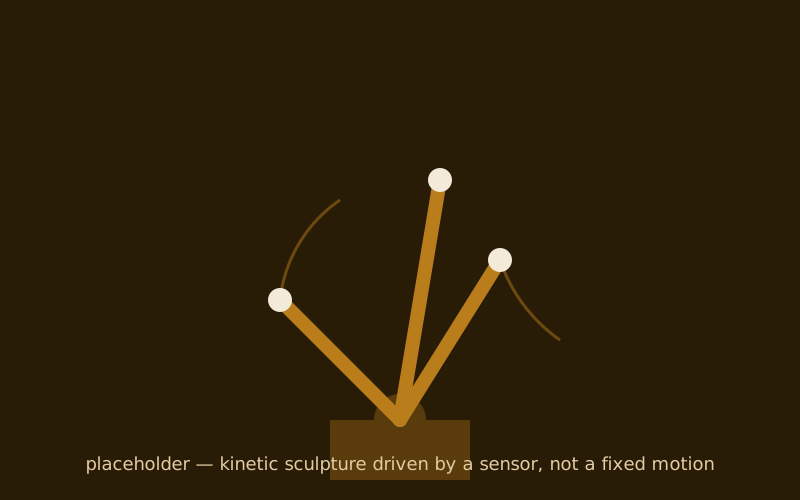
A kinetic sculpture that isn't on a timer
Week 5 · Actuators
A kinetic sculpture whose motor is driven by a live sensor reading, not a fixed loop.
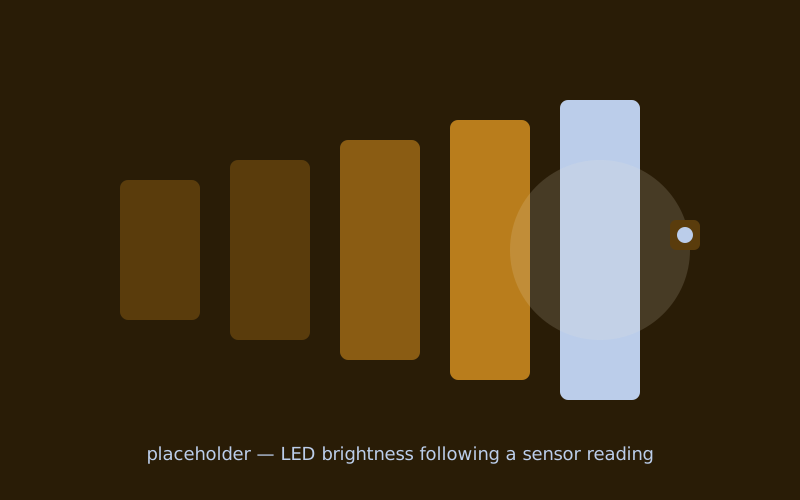
A responsive light installation
Week 5 · Actuators
An LED installation whose brightness or colour follows a sensor value in real time.
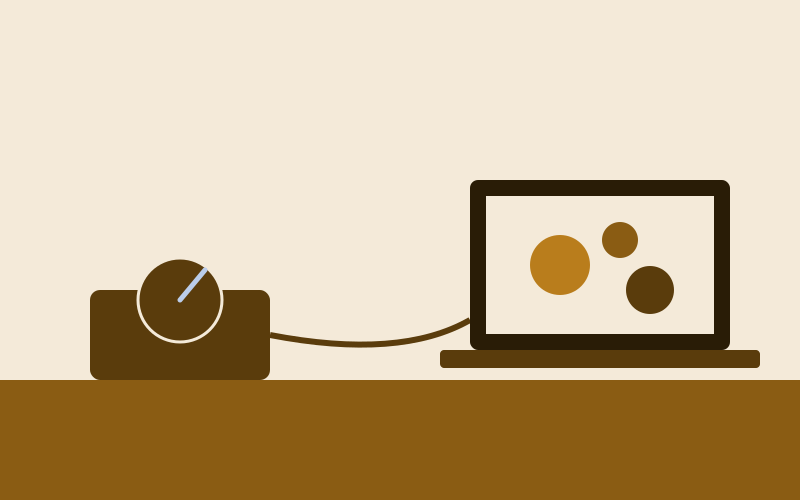
A physical dial driving a live visual
Week 6 · Bridging code and hardware
A physical dial, streamed over serial, controlling a generative on-screen visual live.
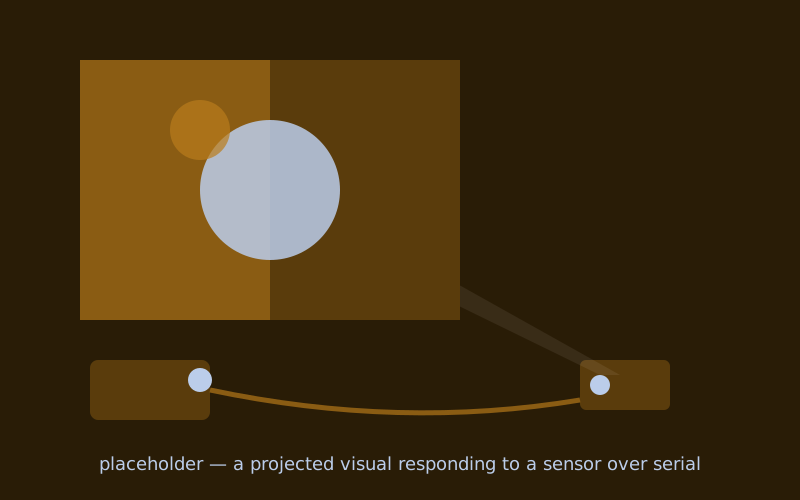
A projection that reacts to a sensor
Week 6 · Bridging code and hardware
A projected visual that visibly shifts the moment a physical sensor reading arrives.
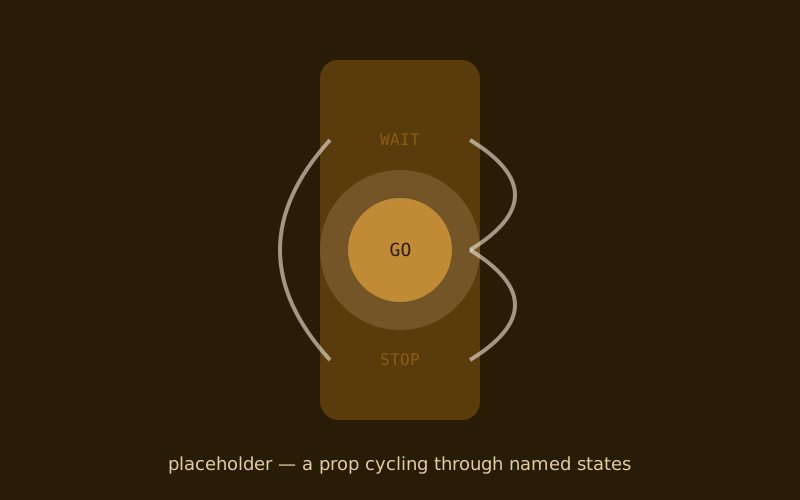
A prop that cycles named states
Week 7 · State machines
A turnstile or traffic-light-style prop that visibly cycles through a small set of named states.
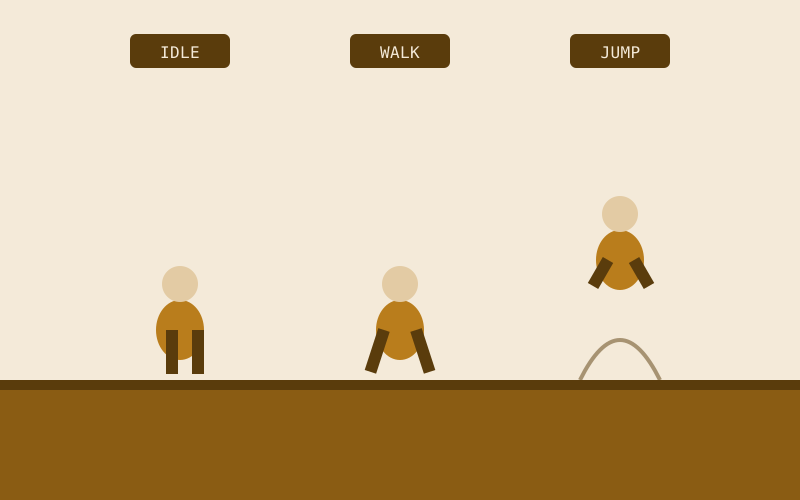
A character with idle, walk and jump
Week 7 · State machines
An on-screen character driven entirely by a three-state idle/walk/jump state machine.
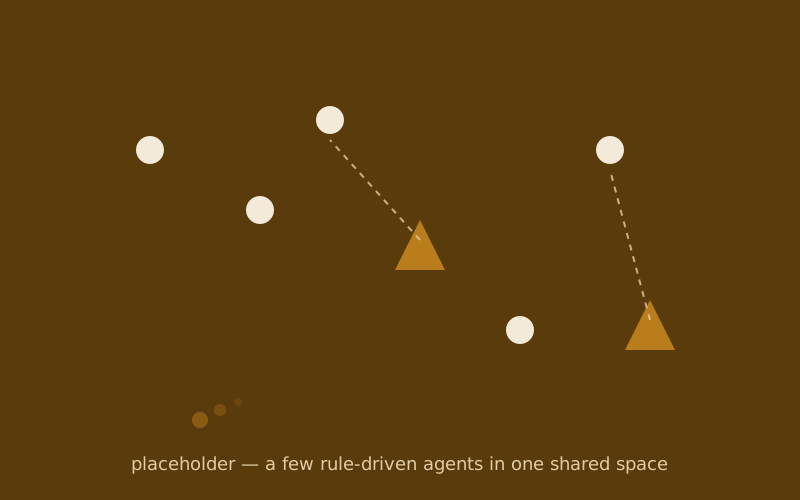
A small rule-driven ecosystem
Week 8 · Rule systems
A handful of simple predator, prey and particle agents, each running its own small rule set.
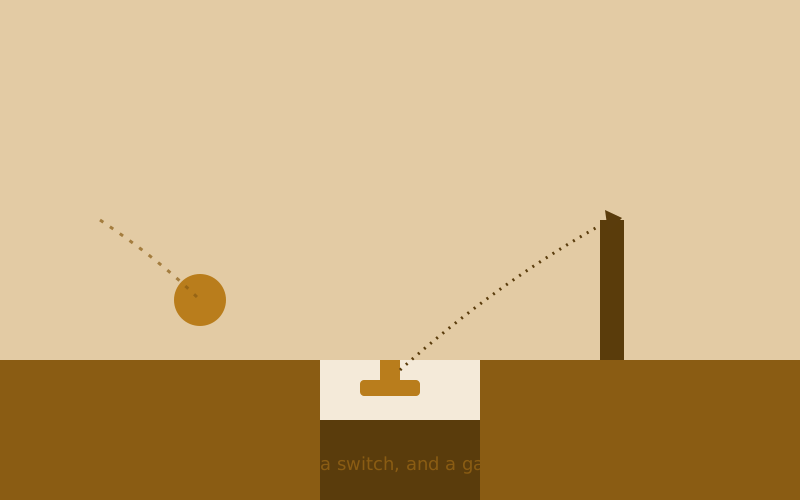
A simple physics-driven level
Week 8 · Rule systems
A small rule-based game level where collision and simple physics do the whole design.
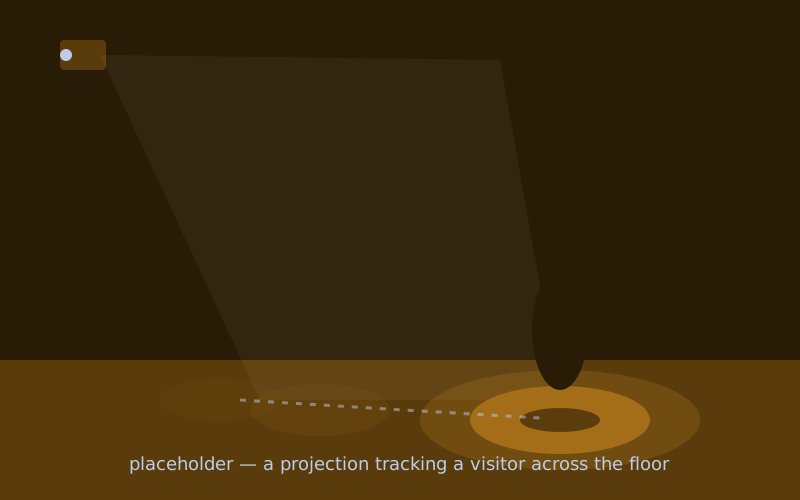
A projection that follows a visitor
Week 9 · Camera tracking
A projected shape whose position is driven directly by a visitor's tracked movement.
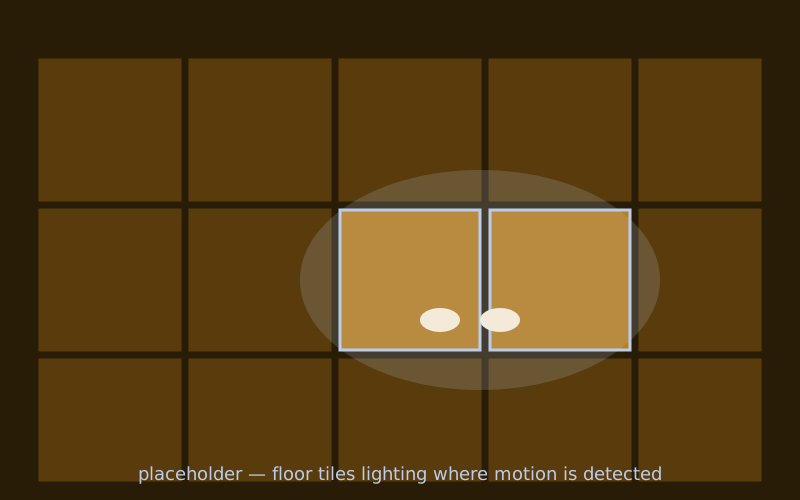
A floor or wall triggered by presence
Week 9 · Camera tracking
An interactive floor or wall panel that changes state the moment someone enters.
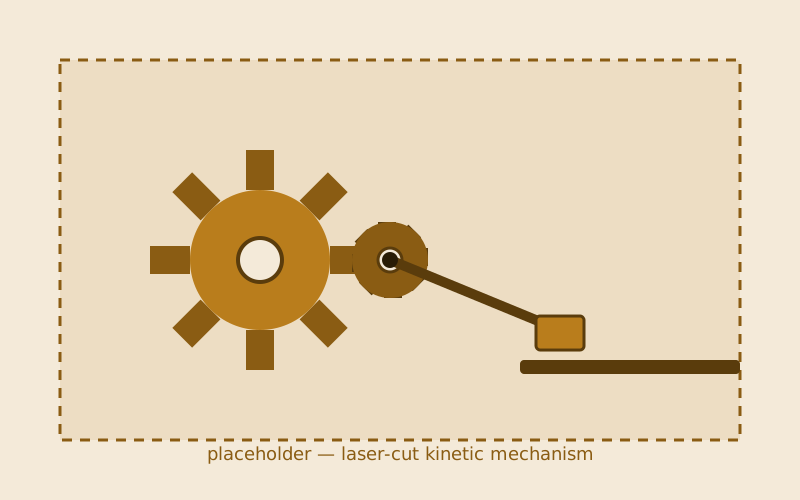
A laser-cut kinetic mechanism
Week 10 · Fabrication
Gears or a linkage, cut from cardboard or thin ply, assembled into a simple moving mechanism.
A 3D-printed enclosure
Week 10 · Fabrication
A 3D-printed housing, designed and printed to fit around a sensor or small circuit.