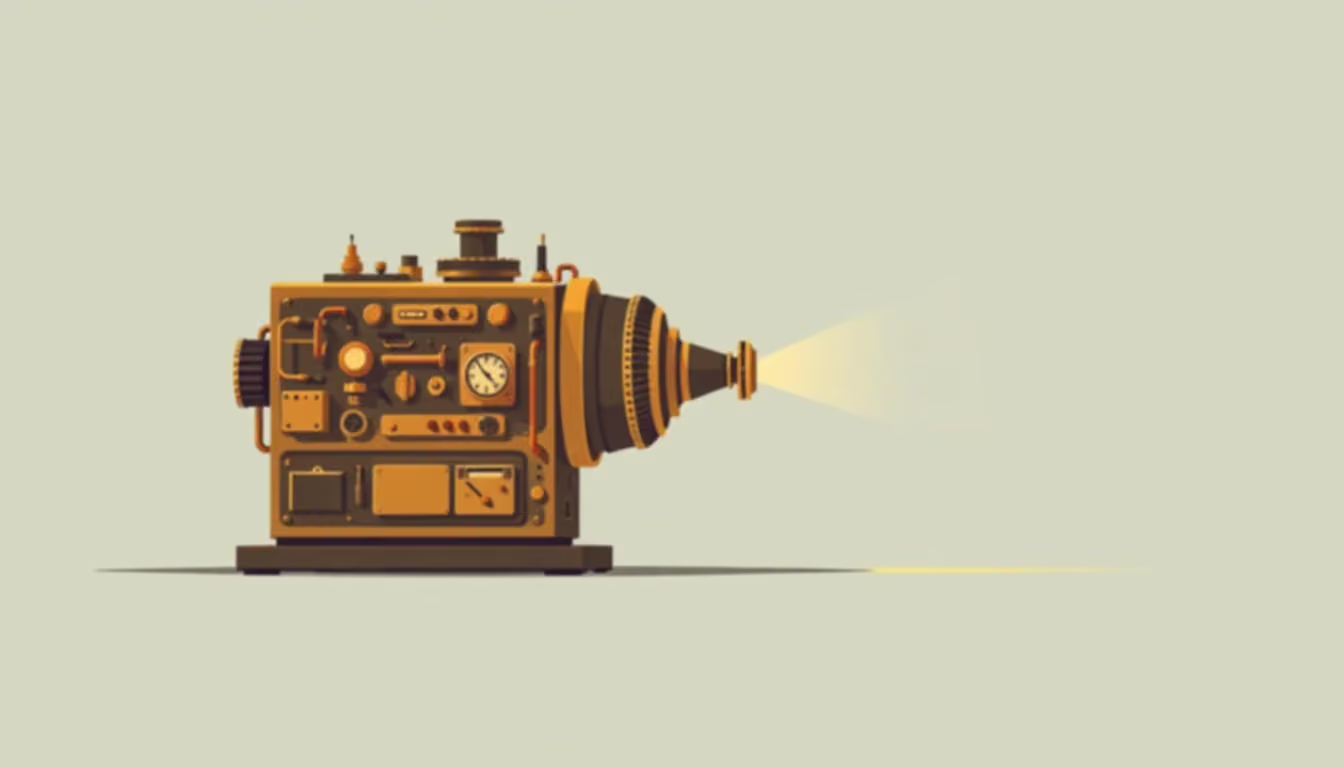
A studio course: matter crosses from physical to digital and back — captured, computed, and returned to physical form or effect. Assumes prior depth in either studio-art practice or programming, not both, and cross-trains whichever half you lack. A studio/crit, not a lecture course.
What you will do
You'll move matter back and forth across the line between physical and digital, as many times as a piece needs: start from an object or start from code, and cross that line in whichever direction it isn't currently on — digitizing (scanning, photogrammetry, projection), computing (creative coding, state machines, rule systems), and physical-computing or fabrication (Arduino sensors and actuators, camera-based tracking, 3D printing and laser cutting) are three techniques you can chain in whatever order and for however many trips a piece asks for, ending wherever it makes sense to end — as a digital artifact, a physical one, or something that's genuinely both. Two studio briefs and a final project ask you to combine techniques into one working piece rather than treat them as separate exercises, and you'll leave with a small personal toolkit spanning both halves — plus a finished piece shown at the semester's grand show. The Gallery collects examples of what these techniques can build: some are complete pieces on their own, others are single-technique components meant to be combined into something that fits the final project's brief.
Who it is for
Third-year students with real depth in either physical or studio-art practice or programming — not both. The course cross-trains whichever half you don't already have, using your existing strength as the foundation, and studio pairs are built to make sure of it: you're matched with someone whose strength is the other half of yours. It runs as a studio and crit sequence, with work shown to an audience most weeks, not as lectures with a written exam.
Where to go next
Tutorials
One four-hour studio afternoon a week — lecture then tutorial some weeks, hands-on throughout in others. What's happening, and this week's runsheet.
Assessment
What is marked, what it is worth, and when it is due.
People
Who teaches the course and how to reach them.
Gallery
What the semester's techniques can build, drawn from every lecture's deck.