Week 12: Design an institution that permits napping
The synthesis — everything the course established, turned into a policy that has to survive someone who does not want to adopt it
24 May 2027
The nap is a biological need that modern work schedules erased. Twelve weeks ago that was an assertion; by now it is the accumulated result of the science, the history and the case studies. This lecture turns it into a design problem, which is the only form in which it can be acted on.
Outline#
- What the course established, in order. Sleep is a sequence and nap length decides what you get from it. The afternoon trough is scheduled rather than caused by lunch. Industrial timekeeping removed the nap and attached shame to it. Other regimes kept it and permit different things. Permission tracks position, not need. Purchasing a pod avoids the schedule question. The populations with the strongest claim have the least access. The instruments most people would use cannot see a short nap. And sleep does not only restore — it consolidates.
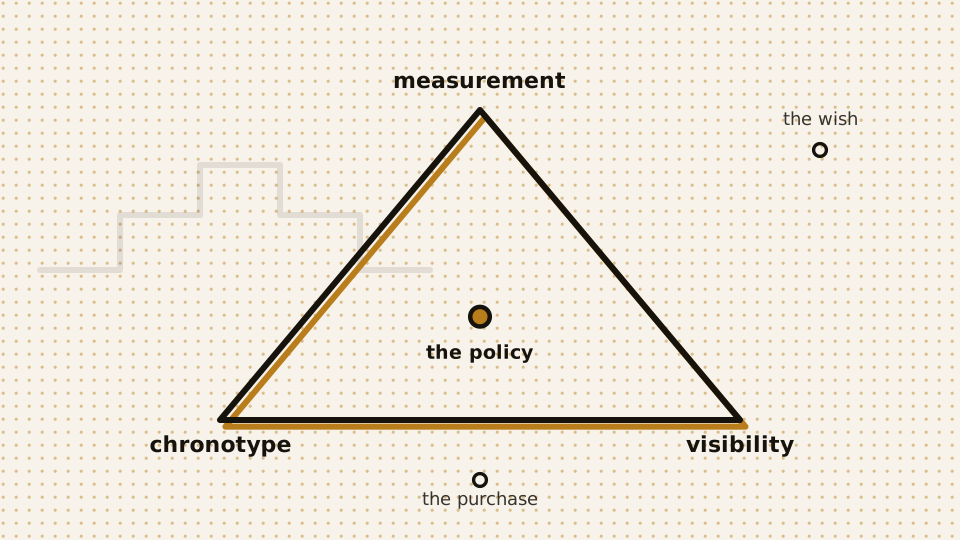
- What follows for design. A policy has to survive three things: chronotype variation, so a single fixed hour fails; the visibility problem, so a permission nobody can use without being seen is not a permission; and measurement, so any promised benefit must be checkable with an instrument that can actually detect it.
- The two failure modes. The wish — a statement of support with nothing behind it, no space, no time, no cover. And the purchase — an object bought so that the schedule need not change. Week 8 costed both.
- What worked, once. Aviation. Evidence, then a regulator, then a requirement. Voluntary adoption on the strength of evidence alone is not in the record, and a proposal that assumes goodwill has assumed the hard part away.
- Defending it. Your proposal is assessed on its defence, and the defence is against a specific person with a specific objection — cost, fairness, appearances, or precedent. Anticipating the wrong objection is the most common way a good proposal fails.
The claim to argue with#
Any nap policy that does not change the schedule, name who it is for, and say how it will be checked is a statement of support, not a policy. Most published ones are statements of support.
After the course#
The Nap Policy Proposal is due at the end of this week. Write it for the institution you have been mapping since week 7, for the beneficiary you named in week 9, at the price you established in week 8.
And then, if the argument of this course has held: go and have a nap. You now know exactly how long it should be and precisely who would object.
Teaching team
- Marisol Quaye — convenor