“Want to come to the thing on Friday?”
…Yeah, maybe.
The asker has already heard no.
Not because of “maybe”, which came last. Because of the pause, which came first.
Where we were
Week 1 ended on a dial: obligation to reply comes in degrees, and turn design is one of the things that sets it.
This week the dial gets a unit. Milliseconds.
A system with no referee
Nobody hands out turns. No chair, no queue, no published order.
Turn-taking is locally managed and party-administered — run by the people talking, turn by turn.
Sacks, Schegloff & Jefferson (1974), Language 50(4)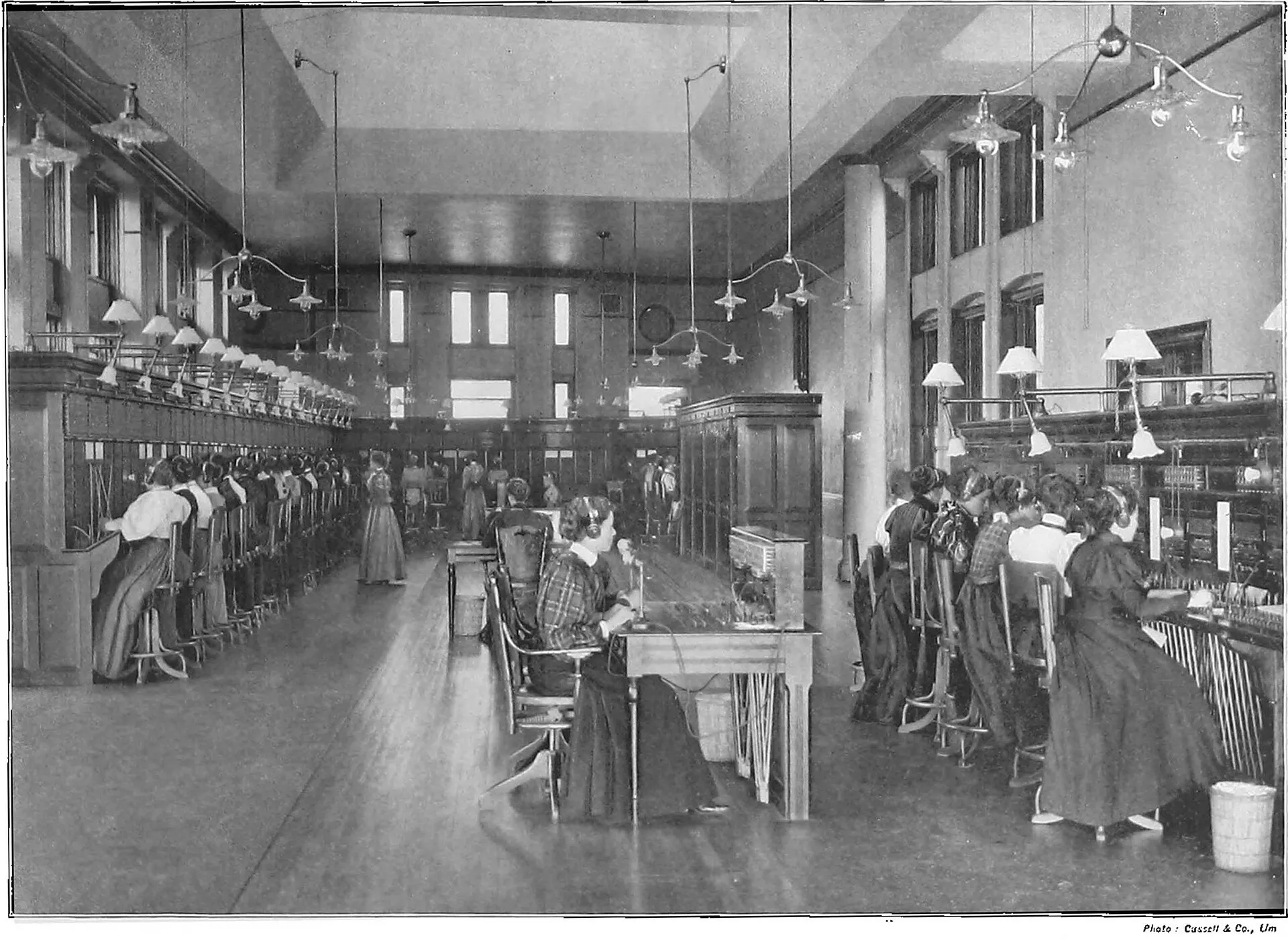

The clock
Ten languages, from major world languages to small indigenous communities: conversations avoid overlap and keep the silence short.
Averages differed — every language’s fell within 250 ms of the cross-language mean.
Stivers et al. (2009), Proceedings of the National Academy of Sciences 106(26)Two numbers that shouldn’t both be true
A typical gap between turns: about 200 ms.
Planning and producing even a short utterance: over 600 ms.
Levinson & Torreira (2015), Frontiers in Psychology 6A range, not a number
Kendrick puts the ordinary transition at ~100–300 ms — and warns that this “estimate of central tendency hides a wealth of complex variation”.
Things like the type of turn being answered move the timing.
Kendrick (2015), Frontiers in Psychology 6, 250- 200 ms: ordinary gap, about 200 ms
- 600 ms: planning a reply, over 600 ms
- 700 to 1500 ms: timeout: a no is more likely
The undocumented timeout
Replies in telephone calls: acceptances and rejections mostly came at similar speeds.
Once a gap reached 700 ms or more, rejections clearly outnumbered acceptances.
Kendrick & Torreira (2015), Discourse Processes 52(4)They aren’t being unfair
The recorded pattern gives listeners a reason to hear a long gap as reluctance.
It does not tell them what a particular pause means.
- Asker to Responder: Coming on Friday?
- Responder to Asker: Yes! (~200 ms). heard: yes
- Asker to Responder: Coming on Friday?
- Responder to Asker: …yes. (1.5 s). heard: a reluctant yes
Now the other experiment
Kendrick and Torreira watched real calls. Roberts, Margutti and Takano set the gap and measured what listeners concluded.
Roberts, Margutti & Takano (2011), Discourse Processes 48(5)The design
| Varied | Levels |
|---|---|
| Silence before the reply | 0 ms · 600 ms · 1200 ms |
| Kind of turn replied to | a request · an assessment |
| Listener’s language | American English · Italian · Japanese |
Telephone conversations modelled on a real call between friends. Native speakers rated, in their home countries, how willing the replier seemed.
Result one
Ratings of willingness fell significantly as the silence got longer —
in every one of the three language groups.
Result two
The groups’ means differed significantly. Different expectations for agreement.
The direction of the effect was shared. The amount was not.
The inference is general. The calibration is local.
Three ways to study a pause
| Design | Outcome |
|---|---|
| Recorded calls; natural gaps | Acceptances/rejections |
| Prepared calls; 0/600/1200 ms | Willingness ratings |
| Class; rough pauses; all replies yes | Ratings and manual gap times |
In the room: which study could answer that? (8 min)
Which design supports each claim, if any?
- Long gaps contained more rejections in those calls.
- Longer prepared silences received lower ratings.
- My friend’s 1.2-second pause proves their yes means no.
- Our all-yes task can establish a rejection rate.
3 min match or reject · 3 min rewrite an unsupported claim · 2 min compare a rewrite and its limit.
In the room: guess the gap (9 min)
1 min: form threes: asker, responder, timer. Time from the question’s end to the first sound of the answer. No recording.
6 min: three rounds, rotating all roles. Ask:
- “Want to study after this?”
- “Can we meet on Thursday?”
- “Would you like the seat by the window?”
Responder: pause, then say yes. Asker: record guessed milliseconds and perceived meaning before seeing the timer’s result.
2 min: rank the three guesses and measurements; compare the orders.
Break
14:55–15:05
Resume at 15:05.
Who the timeout misfires on
A long gap might mean reluctance. It might also mean:
- translating from another language
- being taught to consider a question before answering
- processing spoken language at your own pace
- choosing between two answers that are both yes
Before you conclude, ask.
“No pressure either way. Is that a yes?”
And what Roberts et al. lets you say to yourself
The three language groups differed on average.
A pause that sounds long to you may not sound long to someone else.
Now read it the other way
Kendrick analysed 169 other-initiations of repair — the moves people make to flag they didn’t catch something.
Those moves are themselves slow: the most frequent came after gaps of about 700 ms. The turn whose job is flagging trouble does not obey the fast rule.
Specific ones came faster than vague ones. The rare ones that corrected an error came without delay.
Kendrick (2015), Frontiers in Psychology 6, 250What the extra time is for
In those gaps, speakers appear to be using the time:
- catching up on a turn they only half-registered
- producing a facial signal
- giving the other person the chance to fix it themselves
Some of the pauses in your conversations are someone waiting to see whether you want to take the sentence back.
The diary is still loading

Hold tokens
If you need more time than the clock gives, fill the gap with a sound that means I’m still here, and I’m thinking.
The gap the listener would have read is no longer empty.
A hold token with a light
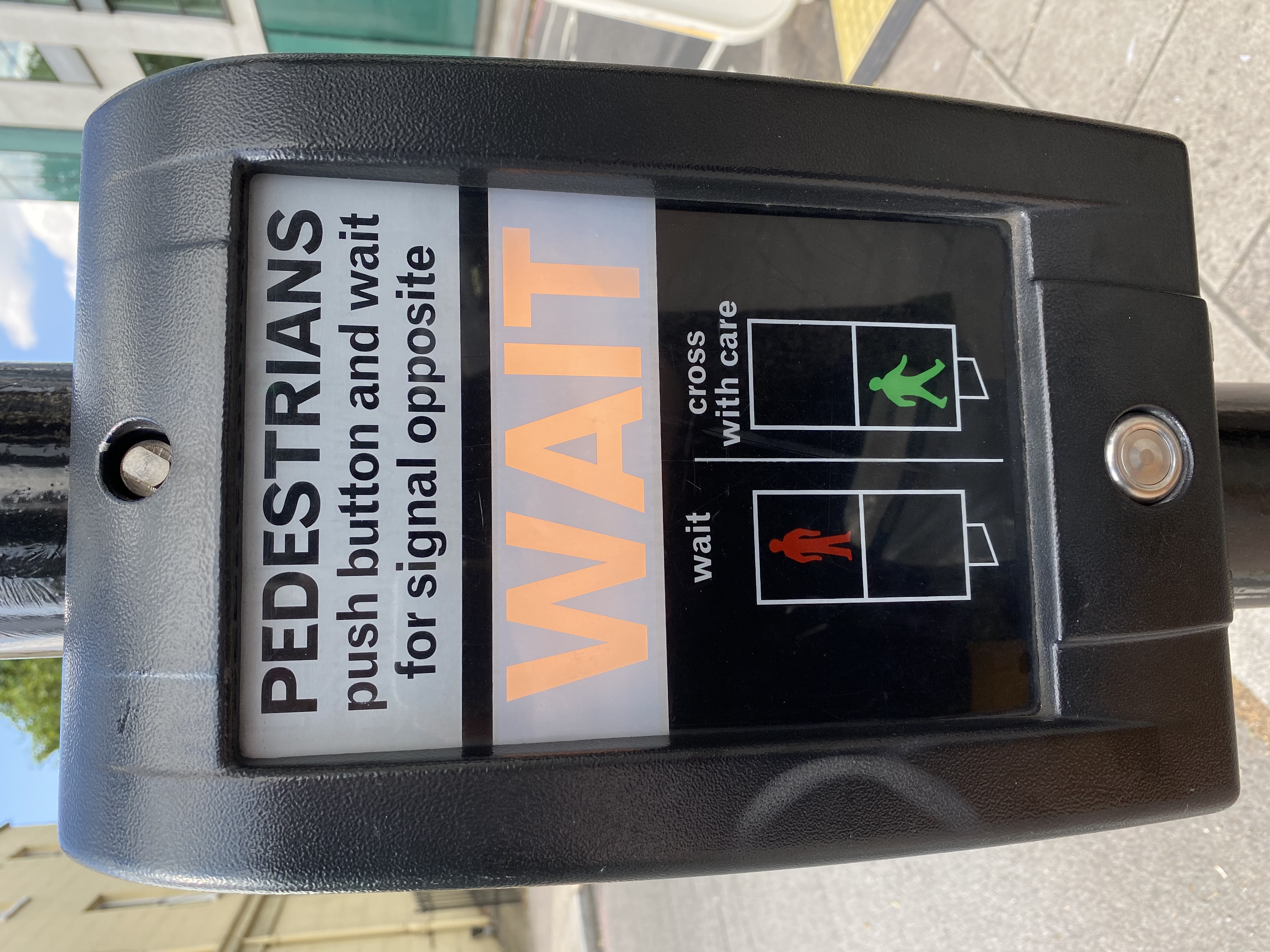

Four of them
| Situation | Hold token |
|---|---|
| A question you want to think about | “Hm, let me think about that.” |
| An invitation you need to check | “Oh, nice. Let me just check my week.” |
| A hard question in a tutorial | “Good question. Give me a second.” |
| When you know you’ll take a while | “Mm.” |
In the room: say it out loud (8 min)
Fictional prompts:
- “Want to have lunch after class?”
- “Could you bring a printed worksheet tomorrow?”
- “Would you put two meeting times in a list or a table?”
- “Would Thursday or Friday work for a meeting?”
1 min: read. 2 min per partner: answer all four, using a different hold token each time. 3 min: choose and repeat one that fits your speech; compare what context the phrases gave. Written rehearsal is also available.
The standing hold token
Said once, early, without apology:
“I sometimes take a second to answer. A pause from me isn’t a no.”
That gives the other person context for your pauses.
The course’s recommendation, not a tested finding. Week 11 returns to it as part of a shared protocol.
When turns collide
- “Sorry, go ahead.”
- “No, you go.”
- “You first. Mine can wait.”
Use whichever fits your speech, then leave the turn to the other person. Week 5 covers repair.
Thursday: the stopwatch lab
Rate yeses after different delays, then repeat with a hold token. Compare the results.
Check yourself against this week
Roughly how long is an ordinary gap, and where does a long one start to read as reluctance?
Have you rehearsed a hold token in your own words?
What stayed the same across the three language groups, and what differed?
If time remains
How could two people with different reply speeds agree what a pause means without asking either person to keep the other’s clock?
Optional discussion. Finish by 15:55.