Monthly gatherings
Guest talks, member discussions and time to meet local observers.
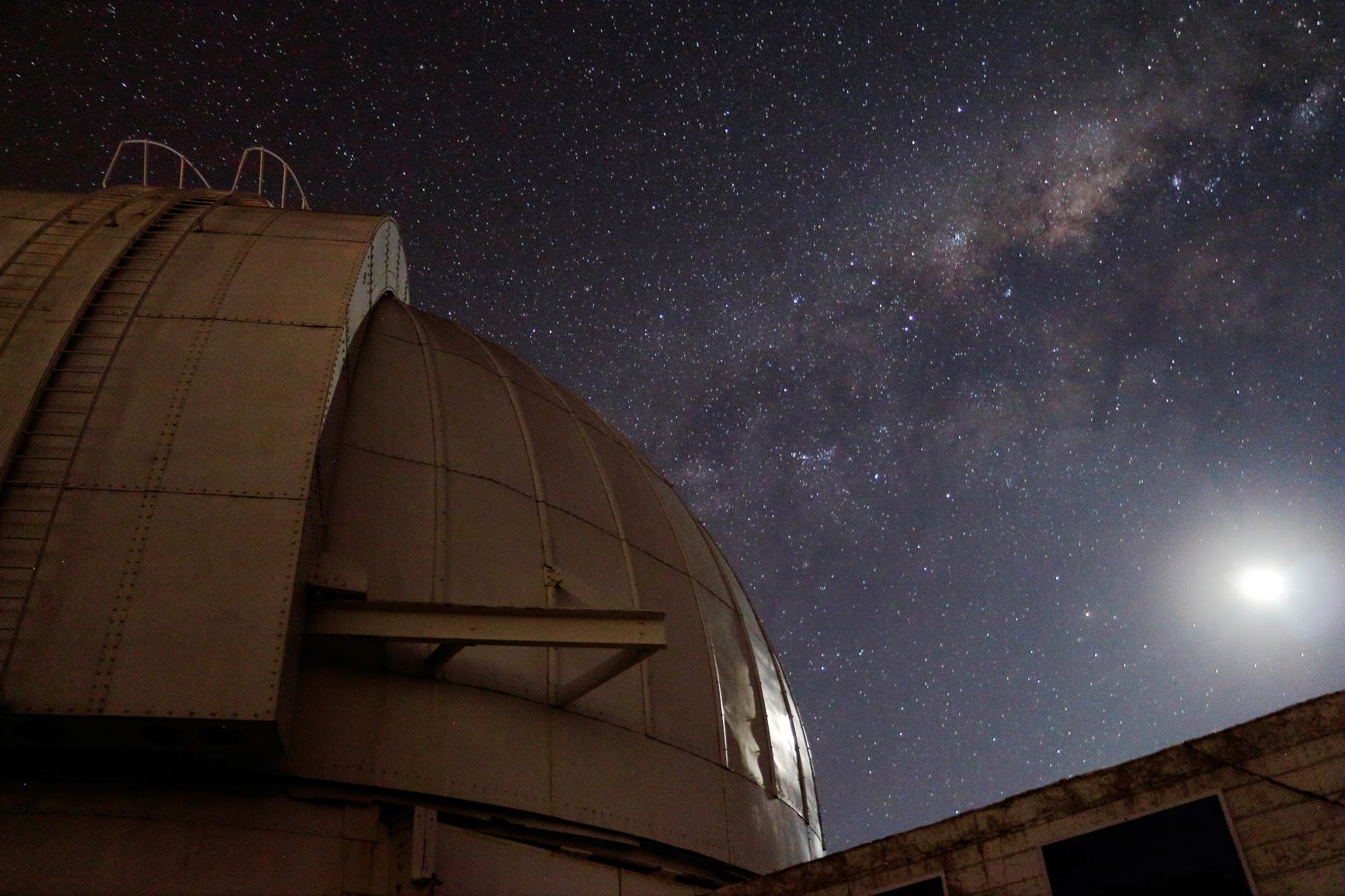
Canberra / since 1969
Your first night under Canberra's sky starts with curiosity, not a telescope.
1969Founded in Canberra
No telescopeNeeded to begin
Mt StromloA long-standing ANU connection
01 / Start here
CAS welcomes beginners and experienced observers across the ACT and surrounding region. You can attend up to two monthly meetings before deciding whether to join.
Dates can change. Use the official CAS calendar as the source of truth for the next meeting or public observing night.
Open the CAS calendarYou do not need your own telescope or prior knowledge. Bring warm layers, questions and time for the weather to surprise you.
CAS has strong links with ANU at Mount Stromlo. Check the event listing for its exact location, time and weather status.
Ask CAS a question02 / A society that observes
CAS connects talks and practical observing, from a first view of the Moon to member-led astrophotography and outreach.
Guest talks, member discussions and time to meet local observers.
Shared observing sessions, public viewing nights and telescope access.
Introductory guidance, telescope loans and help finding your way around the sky.
School visits and events that make astronomy tangible beyond the society.
Why this redesign exists
I already loved astronomy and often went to ANU astronomy facilities to observe the night sky. Discovering CAS made me want more people to find that same sense of scale and wonder.
This concept turns that personal route into a simple first step for someone who has never attended before.
03 / From our sky outward
These NASA images are not a promise of what will be visible at the next CAS event. They show the worlds and deep-sky structures that keep observers curious.
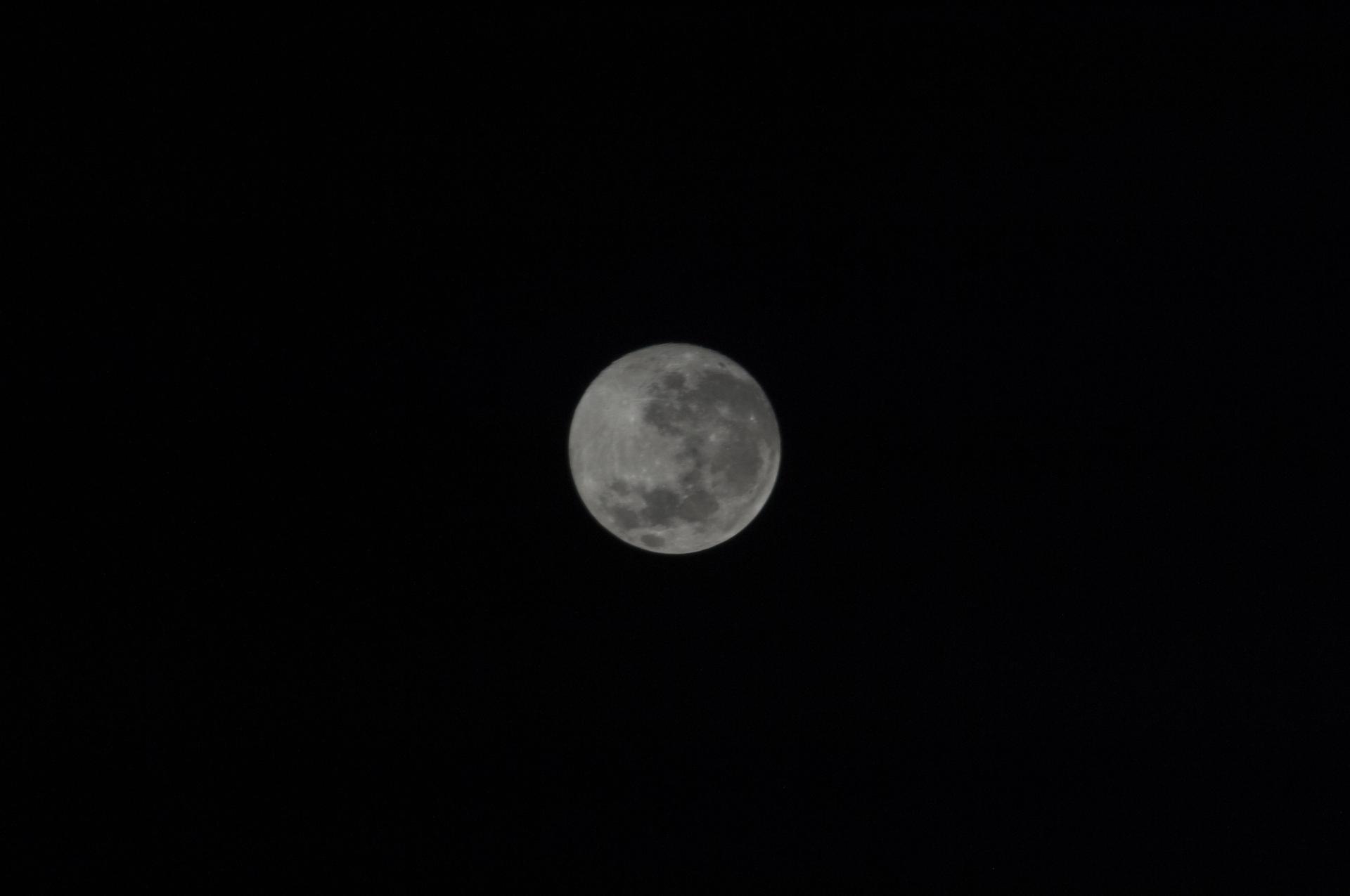
Familiar to the eye, transformed by magnification into maria, rays and cratered terrain.
Image: NASA / JSC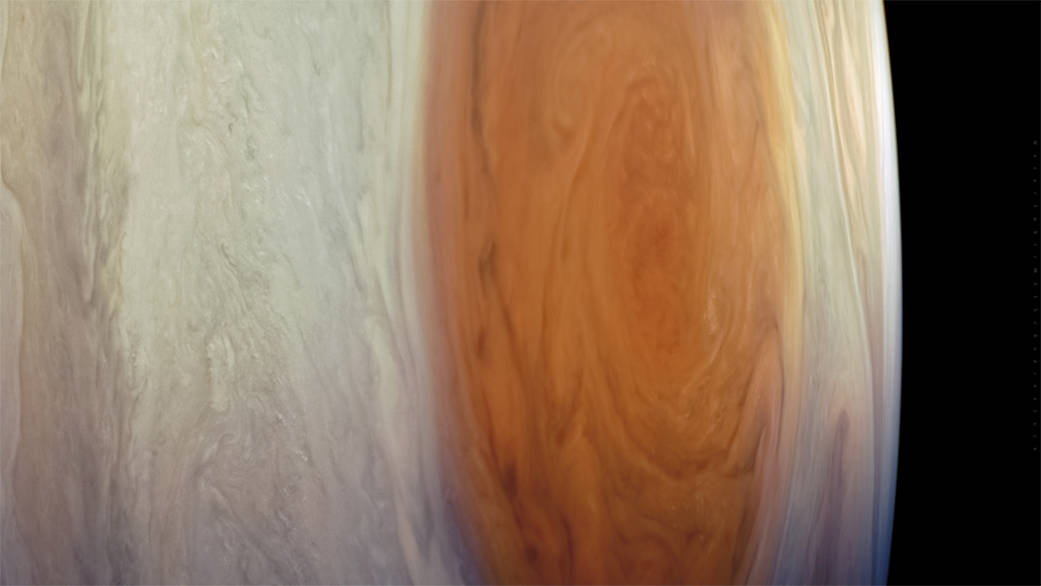
Juno's close view turns a distant point of light into layered, turbulent atmosphere.
NASA data / Andrea Luck, CC BY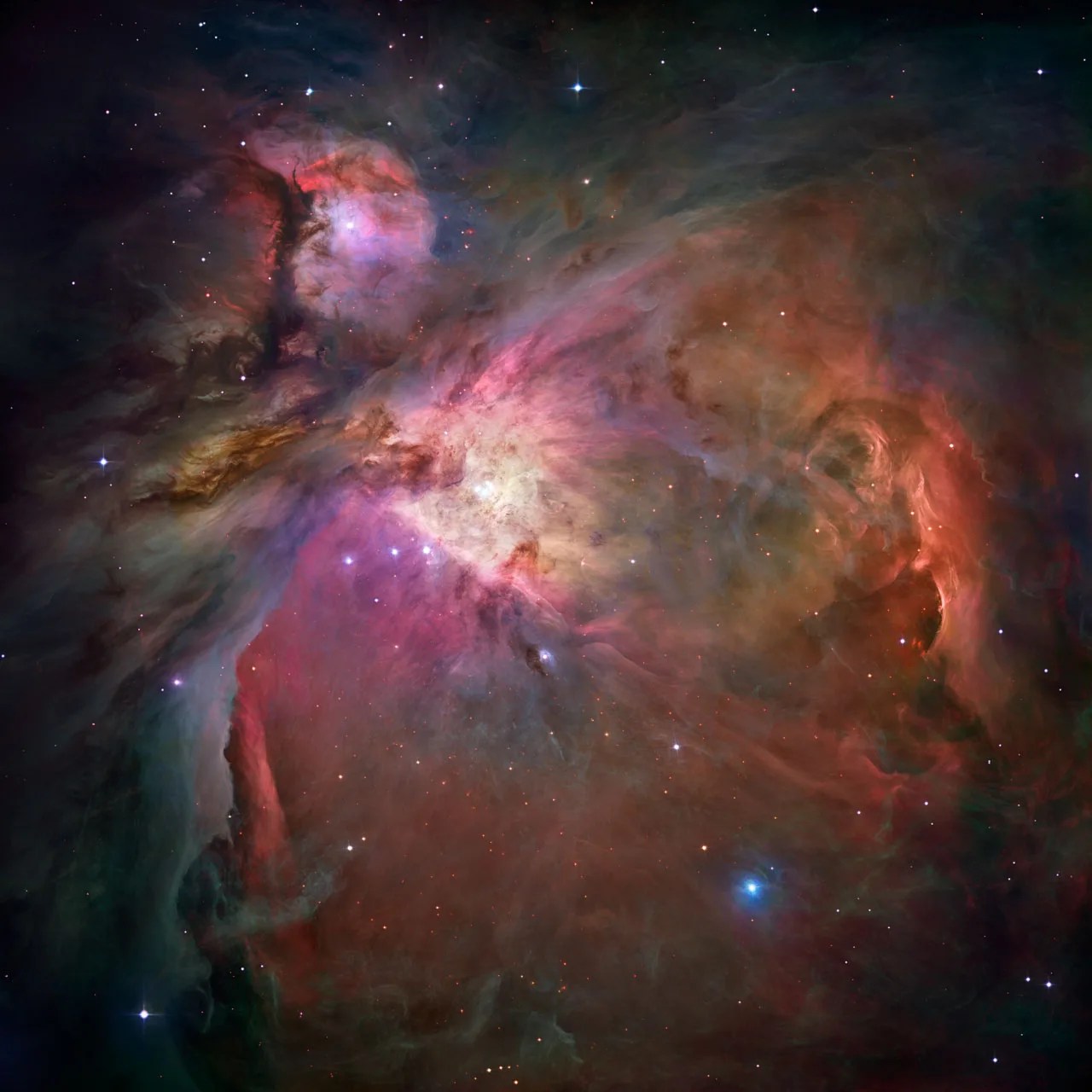
Hubble's mosaic makes star formation feel like a landscape of light, gas and dust rather than an abstract distance.
Image: NASA, ESA and the Hubble Orion Treasury team04 / Plan your visit
Keep exploring
This student concept does not replace the society's website. These links take you directly to CAS for current and authoritative information.
News and notices published by CAS.
Visit original siteConfirm the next date, time and event details before travelling.
Check current eventsMembership details, benefits and the official application form.
See membershipSee the sky through the work of local CAS astrophotographers.
Open the galleryThe society's history, outreach and connection to Mt Stromlo.
Read the official storyAsk the society directly about visiting, membership or outreach.
Contact the society