A Phenomenological Inquiry into Acoustic Self-Deception in the Public Restroom
SLOP2950 · Week 10
Everyone present agrees, by unspoken consensus, to act as though the room is silent.
A fragile, high-effort norm
The public restroom’s silence pretence is arguably one of the most elaborate voluntary information-suppression regimes ever sustained by a species with no formal government, no written charter, and no signatories. Everyone present agrees, without ever saying so, to act as though the room is silent — a norm with no enforcement beyond how much effort people are willing to keep putting into it.
- the mask — taps run to cover sound both parties already know isn’t actually covered
- the drop — conversations that would be casual anywhere else fall to near nothing
- the silence about the silence — nobody acknowledges any of it; the system depends on that
A call continues on speakerphone in a stall, no tap running. In the stalls and at the sinks, other people don’t say anything directly — one starts flushing repeatedly instead, until the call stops.
Confrontation is rare here for a specific reason: naming the breach out loud means admitting you could hear it, which breaks the room’s pretence as completely as the phone call did — so the room’s own countermeasures (the repeated flush, the pointed cough) stay indirect too.
The tap-as-mask
A countermeasure everyone knows doesn’t work. Compare the shush in week 4 — another countermeasure that works despite obviously not working.
Bad manner vs. good manner
🟥 Bad manner — Unmasked Acoustic Disclosure (UAD): Some patrons, mid-call, decline to run any masking tap and maintain full conversational volume inside a stall — loud enough that everyone at the sinks catches both the topic and the name being discussed. The Slop University Acoustic Ethics Lab classifies this as “unmasked acoustic disclosure,” and has observed that the offending party is typically the last person in the room to realise how much has just been disclosed.
🟩 Good manner — Ritual Tap Deployment (RTD): The same call, continued only once the tap is engaged and the voice dropped to near a whisper. The Lab files this under “ritual tap deployment” — a gesture it is careful to note fools absolutely no one, and whose entire value lies in being performed anyway.
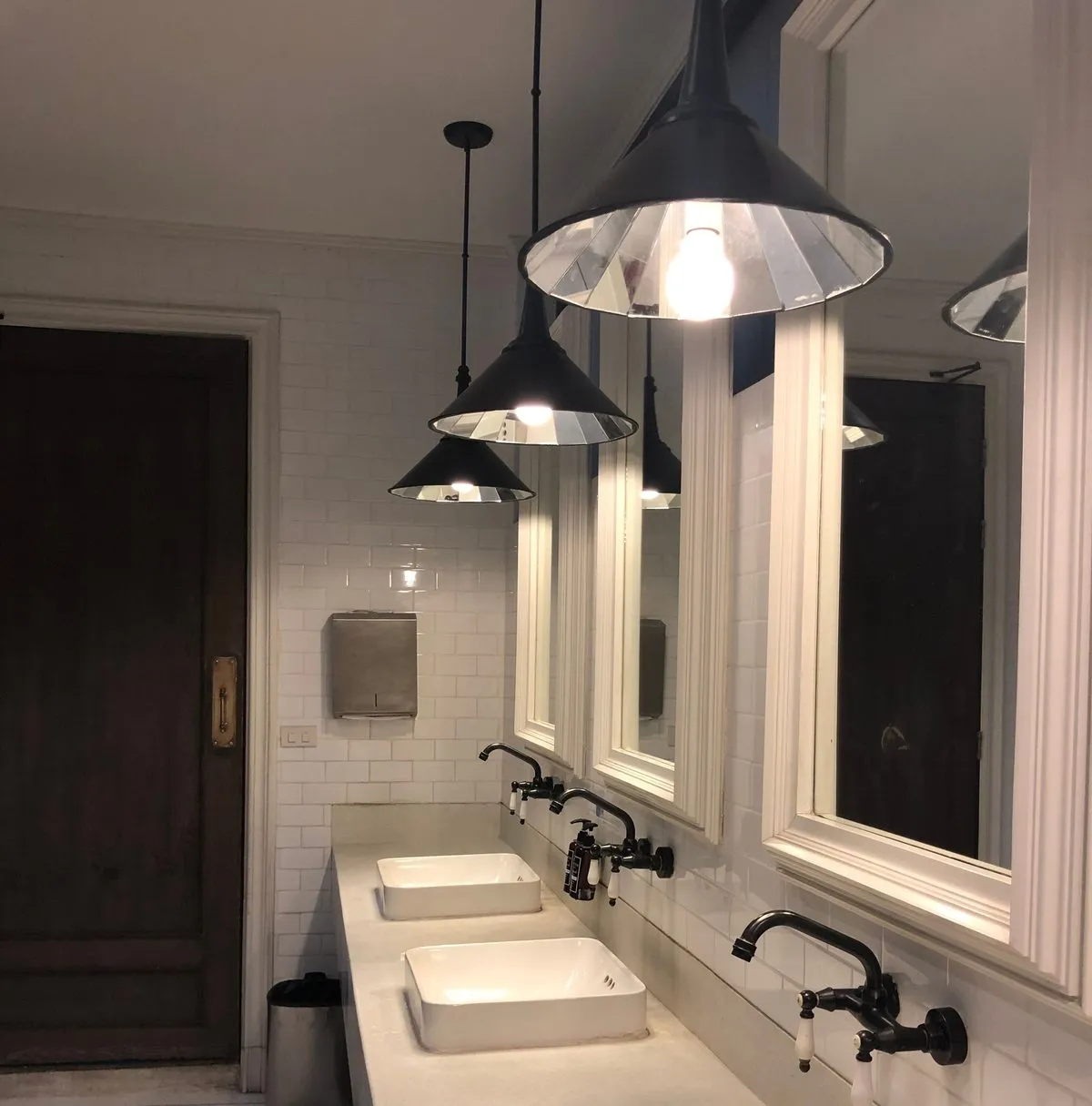 Photo: Sherine / Pexels
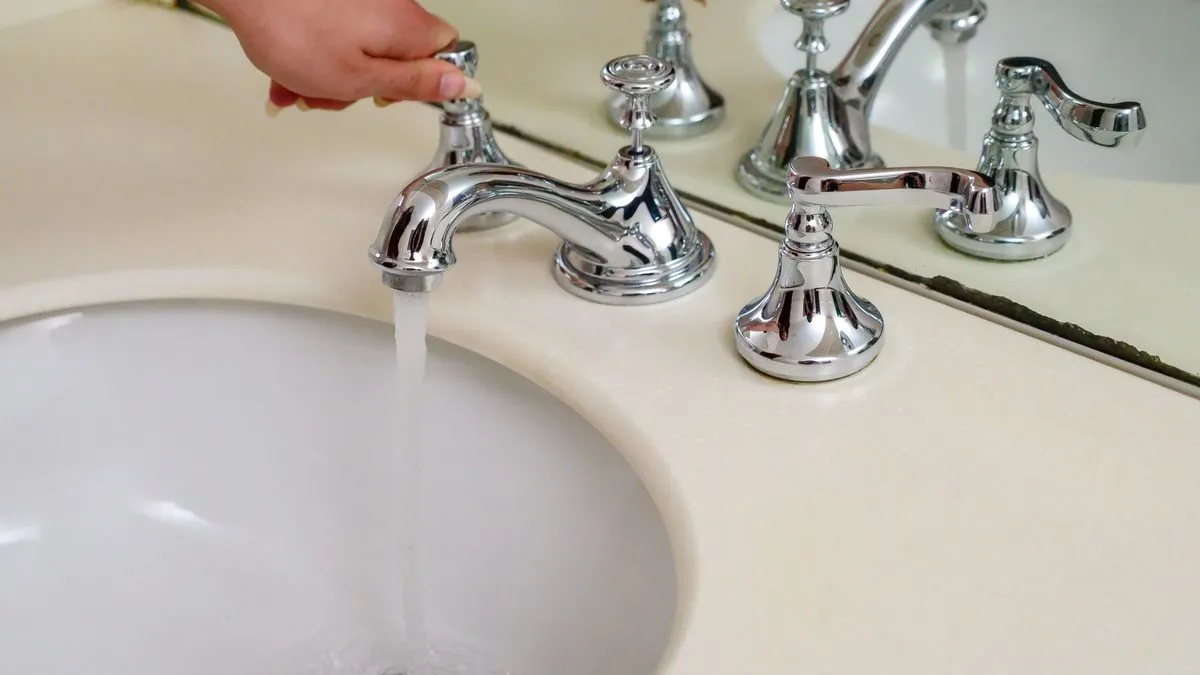 Photo: Kindel Media / Pexels
Discussion
Is this norm protecting privacy — or just protecting everyone from admitting there wasn’t any?
References
- Tanaka, H. (2027). The Restroom’s Central Pretence: A Fragile Norm Analysed. Journal of Applied Incivility Studies, 6(2).
- Chow, W-L. (2023). The Tap-as-Mask: A Countermeasure Everyone Knows Doesn’t Work. Behavioural Urbanism Quarterly, 10(2).
- Osei, E. (2021). Comparative Countermeasures: The Shush and the Tap. Proceedings of the Symposium on Ambient Social Norms.
- Slop University Acoustic Ethics Lab. (2027). Coding Manual for Unmasked Acoustic Disclosure and Ritual Tap Deployment. Internal technical report.