Towards a Unified Theory of Deniable Discourtesy
SLOP2950 · Week 9 · A Meta-Analytic Synthesis
No door has ever started a war. No jacket has ever collapsed an economy. No pair of outstretched legs has ever ended a dynasty. This week asks why, in that case, it always feels like they might.
What this week is, and isn’t
This is the closing beat of the “common manners” thread, and it introduces no new physical space. Instead, it re-applies this course’s core method — what Slop University’s Centre for Ambient Ethics has now, without being asked, formalised as the Isolate–Contest–Verdict (ICV) Protocol — to three cases already on the table:
- the elevator (Week 3) — a closed system, contested door-holding
- café seat-saving (Week 5) — an unenforced claim, contested by scarcity
- transit space (Week 6) — an unpriced commons, contested between intent and anatomy
Naming what Dr. Halvorsen already does
Dr. Halvorsen’s own working notes for this week refer throughout to “the usual three steps.” The Centre for Ambient Ethics has since formalised this, unprompted and to no request from any accrediting body, as the Isolate–Contest–Verdict (ICV) Protocol:
- Isolate — separate the act from the excuse surrounding it (running late, having a cold, this being your seat too)
- Contest — name the exact thing a bystander could plausibly argue about out loud without sounding unreasonable
- Verdict — state which version costs less, and to whom
This is, verbatim, what Weeks 2 through 8 already did, one case at a time, without a name. The Protocol’s sole original contribution is the acronym.
The same three questions, three times over
For each of the three cases, this week asks the same pair of questions the ICV Protocol has used all along:
- What makes the act deniable or contestable — the thing that lets someone argue it wasn’t really a violation at all
- What does the Good manner version actually cost — and is that cost smaller than the one it replaces
Door-holding costs a few seconds shared by everyone already inside. Ordering before claiming a café table costs nothing but the assumption that the seat was already yours. Pulling your legs in on a crowded bus costs exactly the space you were never using.
Revisiting the elevator
Fixed capacity, fixed exits, short duration, high density — Week 3’s Institute of Vertical Micro-Politics still classifies the car as the smallest fully sovereign territory a stranger can involuntarily be annexed into, and nothing about revisiting the case changes the verdict.
🟥 Bad manner — Unilateral Border Closure (UBC), reprised from Week 3: Holding the close-door button on someone jogging toward the car, on the reasoning that they should have moved faster — a unilateral act of territorial enforcement that costs the enforcer nothing and the excluded party a full diplomatic delay.
🟩 Good manner — Open-Border Transit Accommodation (OBTA), reprised from Week 3: Holding the door the few extra seconds it takes them to arrive — a cost every passenger already inside shares for a moment, against a cost the latecomer would otherwise carry alone.
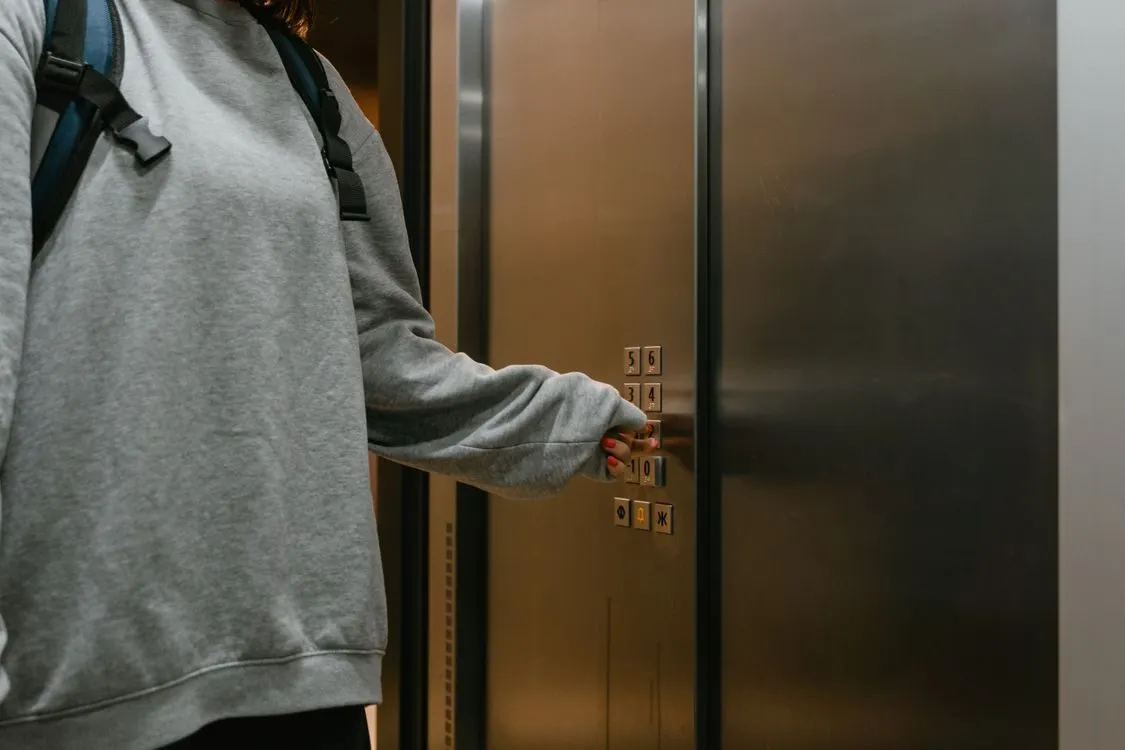 Photo: MART PRODUCTION / Pexels
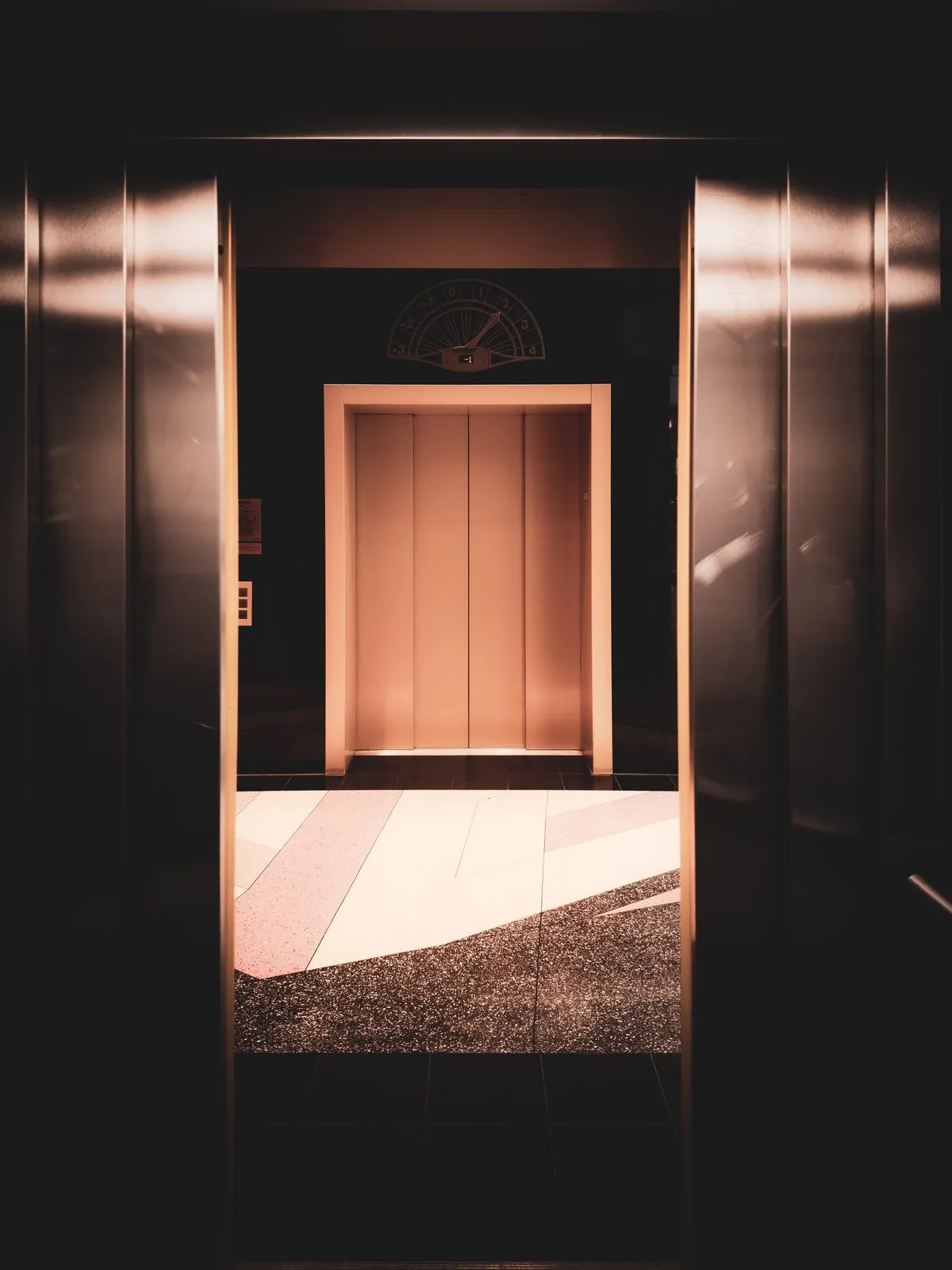 Photo: Patrice Werner / Pexels
Revisiting seat-saving
An unattended jacket enforces a claim with no deed, no lock, and no authority behind it but a stranger’s willingness to look elsewhere — Week 5’s Department of Applied Territoriality’s reading of the case holds exactly as well the second time through.
🟥 Bad manner — Unilateral Territorial Annexation (UTA), reprised from Week 5: Draping a jacket over the last open table at a packed café and departing to order — a claim asserted rather than negotiated, enforced entirely by the surrounding population’s reluctance to escalate.
🟩 Good manner — Provisional Occupancy Protocol (POP), reprised from Week 5: Ordering first, then taking the table only once there’s actually something to sit down with — a claim backed by demonstrated occupancy rather than declared sovereignty.
 Photo: Berna / Pexels
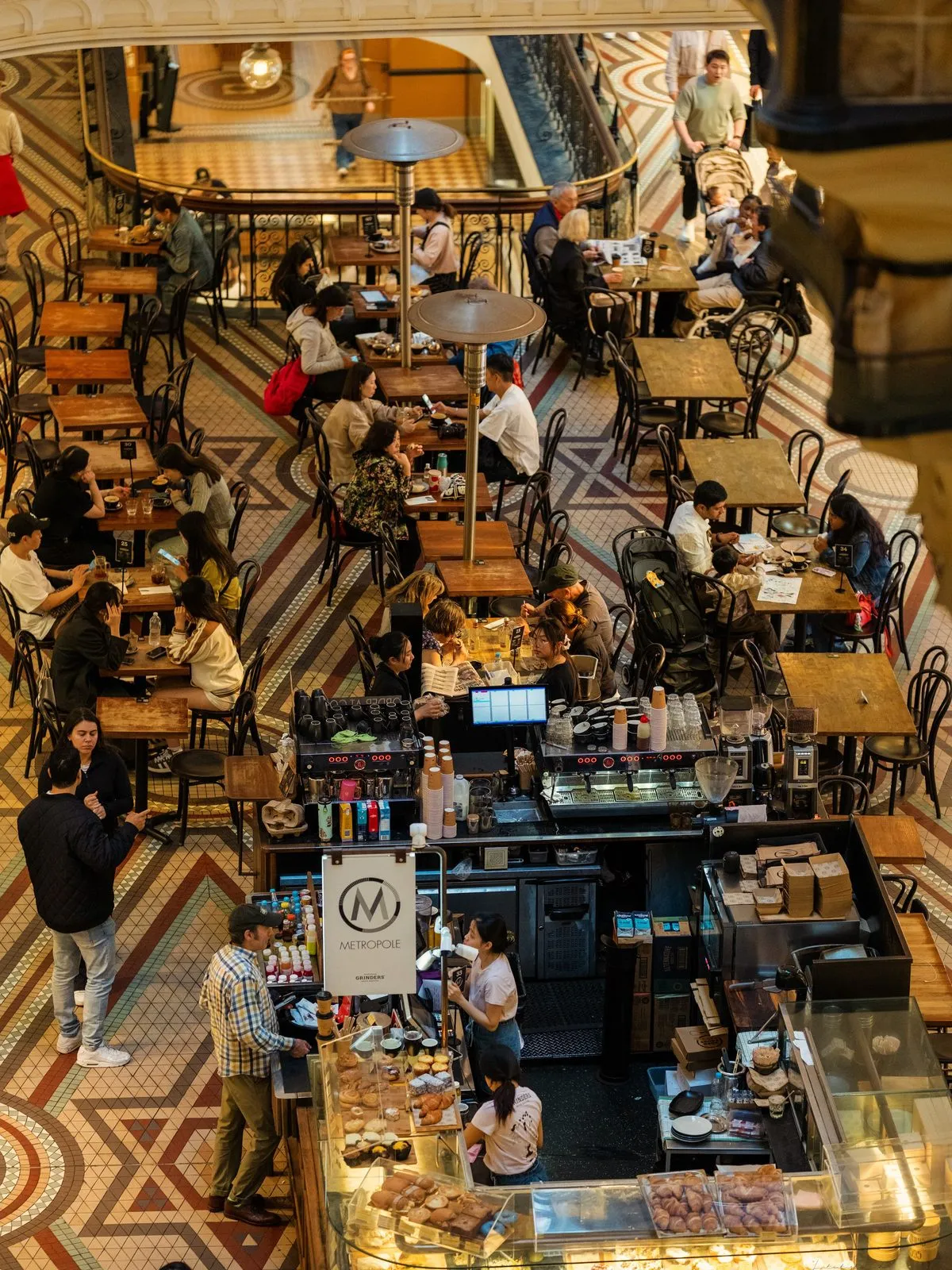 Photo: Reymundo Tadena / Pexels
Revisiting transit space
None of the standard moves — the bag on the empty seat, the wide pole grip, the pitched-up headphones — break a written rule. Week 6’s Centre for Transit Ethics still reads the carriage as a commons with no pricing mechanism except posture, and posture hasn’t changed since.
🟥 Bad manner — Non-Consensual Spatial Requisition (NCSR), reprised from Week 6: Stretching both legs across an empty seat and keeping a bag on the seat rather than the lap, while passengers standing in the aisle hold the rail and say nothing — a requisition the surrounding population absorbs in silence, which is not the same thing as consent.
🟩 Good manner — Voluntary Spatial Yielding Protocol (VSYP), reprised from Week 6: Pulling the legs in and moving the bag to the lap or the floor the moment the carriage starts to fill — a unilateral de-annexation, completed before anyone has to file a claim.
 Photo: Pero Živković / Pexels
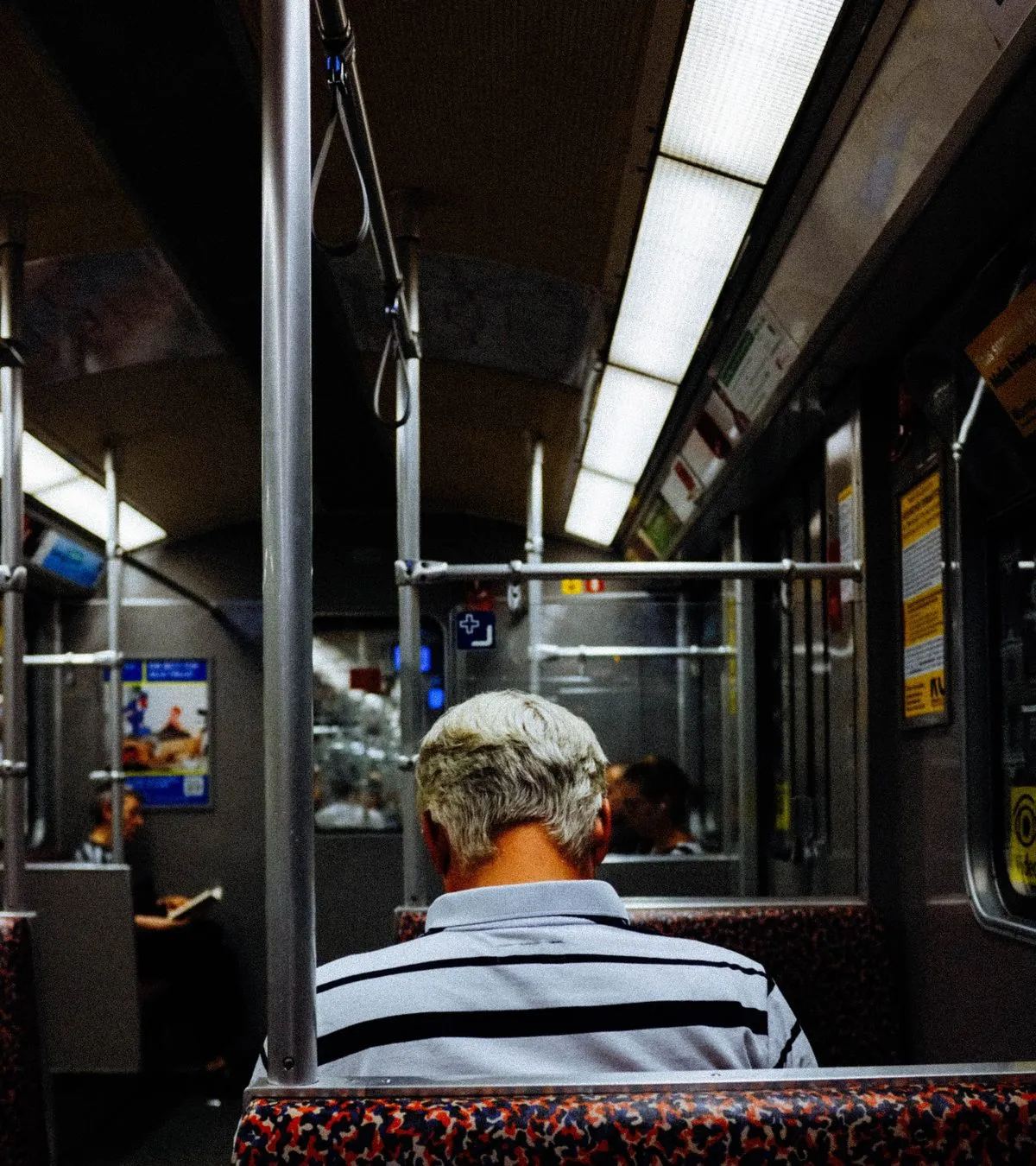 Photo: Adrien Olichon / Pexels
Does the method generalise, or does it just multiply?
Every case this course has catalogued — the cough, the elevator button, the café jacket, the bus seat, the queue, the phone call — is, on its own terms, a matter no reasonable civilisation should ever have needed a taxonomy for. Nobody’s empire has fallen to a badly-held door. And yet, across three entirely unrelated physical systems — a box, a chair, a seat — the same two-step verdict format keeps landing in the same place, which is either evidence that the ICV Protocol has found something real, or evidence that any method looks like it has found something real once you’ve built three test cases specifically to fit it.
Slop University’s Centre for Ambient Ethics declines, on the record, to adjudicate which. Its official position, filed at the request of no one, is that the distinction is “a problem for a different, better-funded department.”
Assignment 2
Assignment 2 is due this week — see the assessment page for what it’s marked against.
References
- Vance, P. (2027). The Panel as Status Object: Micro-Negotiation in Vertical Transit. Journal of Applied Incivility Studies, 5(1).
- Mercado, R. (2027). Property by Convention: The Unenforced Claim in Shared Seating. Journal of Applied Incivility Studies, 5(2).
- Reeve, L. (2027). Claimed Versus Needed Space: A Field Taxonomy of Transit Posture. Journal of Applied Incivility Studies, 5(3).
- Halvorsen, I. (2028). The Isolate–Contest–Verdict Protocol: Formalising a Method Nobody Asked to Have Formalised. Behavioural Urbanism Quarterly, 12(1).
- Slop University Centre for Ambient Ethics. (2028). Three Cases, One Shape: A Note on Not Adjudicating Whether That’s a Coincidence. Internal Technical Report, 1st revision.