Live test — the public kitchen
SLOP1640 — week 12
Marisol Quaye and Idris Fenn
The test, repeated once, live
Week 11 tested the course’s thesis under controlled conditions, one variable at a time, with no one watching but the group itself.
Week 12 repeats the test once, live, for a mark: the assessed practical this course calls the public kitchen.
Preparation, not the plate in isolation
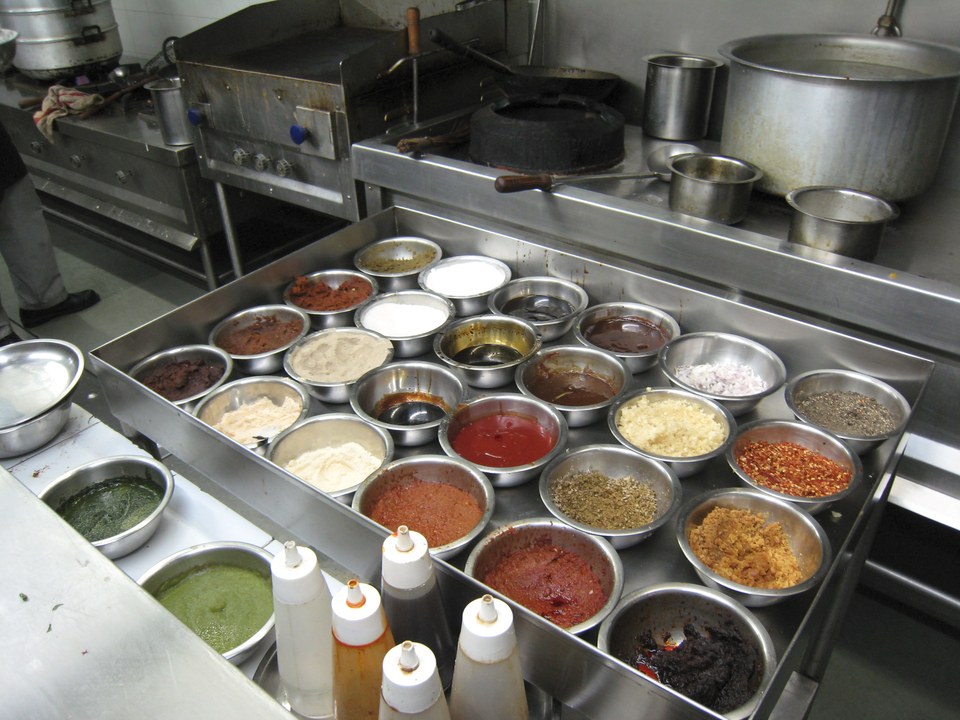
The examination is of the preparation: what was decided before the heat — selection, storage, the cut, the order ingredients were staged in — and whether that sequence held up once a stated time limit and an audience were added to it.
Right for the wrong reason, wrong for a good one
A finished dish can look right and still have arrived there by an unrepeatable accident. A dish can look wrong and still have been prepared correctly, with the difference explainable.
This week’s assessment is built to separate the two, rather than mark on appearance alone.
How the examination reads the plate
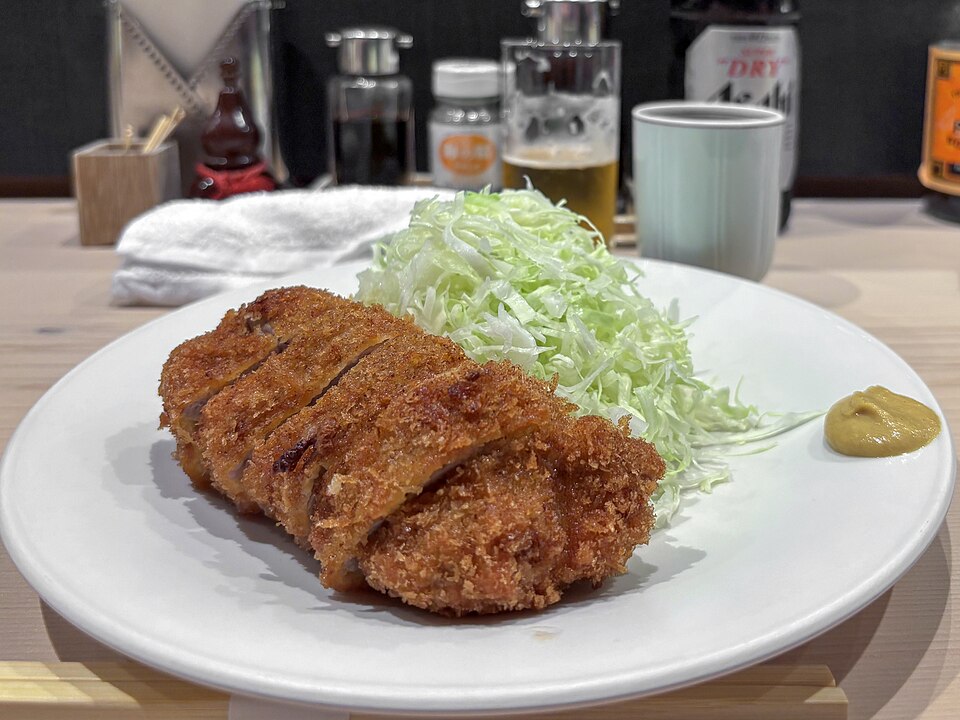
A marker asking whether the preparation held up is not asking whether the dish is edible. They are tracing specific decisions forward: was the cut consistent, was the material held at temperature, was the sequence staged so nothing sat too long before its turn. The plate is evidence for those decisions, not the thing being judged on its own terms.
What week 11 could not test
Week 11 removed every variable except one stated preparation difference. Week 12 adds back a condition no earlier week could test under laboratory control:
- a fixed time allowance
- people watching
The standards do not change
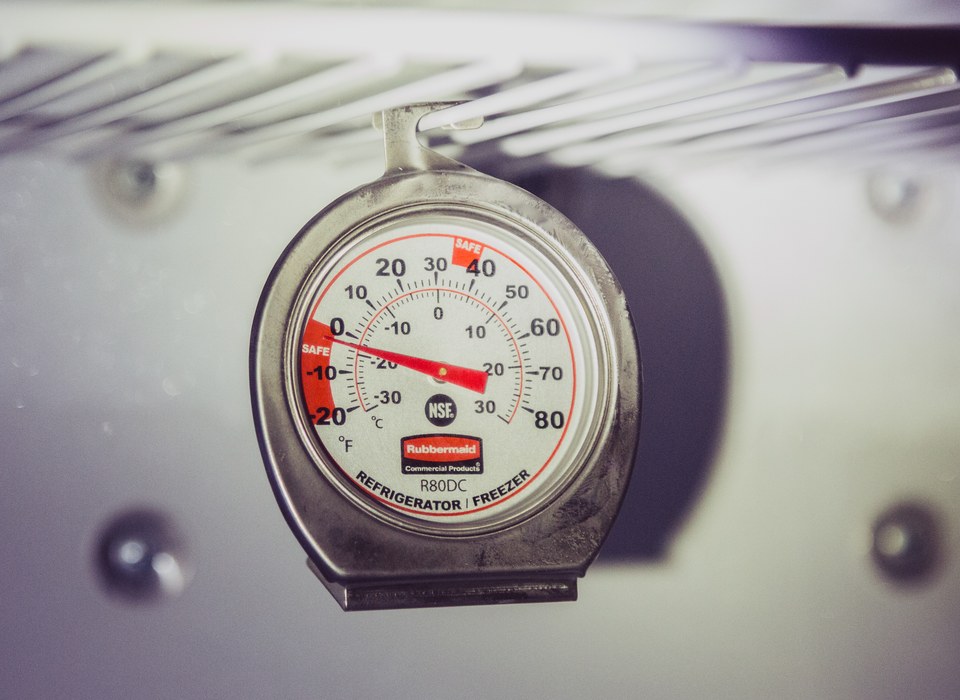
Nothing about the preparation standards changes — the same cold-chain handling, the same cut quality, the same storage decisions this course has taught since week 2 — but they are now performed once, without a rehearsal to fall back on.
Why a clock and an audience are a real test
A group in week 11 could pause, check a step, or start over if something went wrong early. The public kitchen removes that option: a decision made badly at minute five is still on the plate at the end, because there is no second attempt inside the time allowed.
What week 6 predicted
The invent-a-recipe assignment, submitted in week 6, predicted a dish before it existed:
- a preparation process
- a nutritional composition
- a sensory description
Week 12 is where that prediction is tested against an actual result.
What counts as demonstrating the course
A student who can point to a specific preparation decision from their own account and show where it shows up in the finished plate has demonstrated the thing this course has argued for all semester.
A student who cannot has produced a dish, but not yet the argument this course is built to teach.
The last teaching week
This is the last teaching week. What is assessed here does not introduce a new preparation idea — it is the same case made in weeks 1 through 11, run once under conditions that cannot be repeated if the first attempt goes wrong.
The examination is of the preparation, not the plate in isolation.
— Marisol Quaye
Closing
No tutorial exercise this week — the live test is itself the exercise.
Twelve weeks began with the claim that a meal is decided before it is cooked. This is where that claim was checked.