Fruit
SLOP1640 — week 9
Marisol Quaye
Where this week sits
Week 2 sorted produce into ethylene producers and ethylene-sensitive produce, and stored them apart on that basis. This week returns to the same chemistry from the other side: most of the fruit responsible for that ethylene, examined for what it is doing and when.
- the split this week teaches decides when a fruit is bought, not just where it is kept
- nothing here is a cooking technique — fruit is selected, stored and scheduled, not heated
Two ripening behaviours, not species
Fruit divides into two ripening behaviours, and that difference matters more than the difference between any two species.
Climacteric fruit keeps producing ethylene and respiring faster after it is picked, which is why it continues to ripen off the plant:
- apples
- bananas
- avocados
- peaches
The other half
Non-climacteric fruit does not get that second wind. Once picked, it is as ripe as it will ever be.
- citrus
- grapes
- cherries
- berries
A non-climacteric fruit picked underripe stays underripe. There is no later stage to wait for.
Climacteric next to non-climacteric
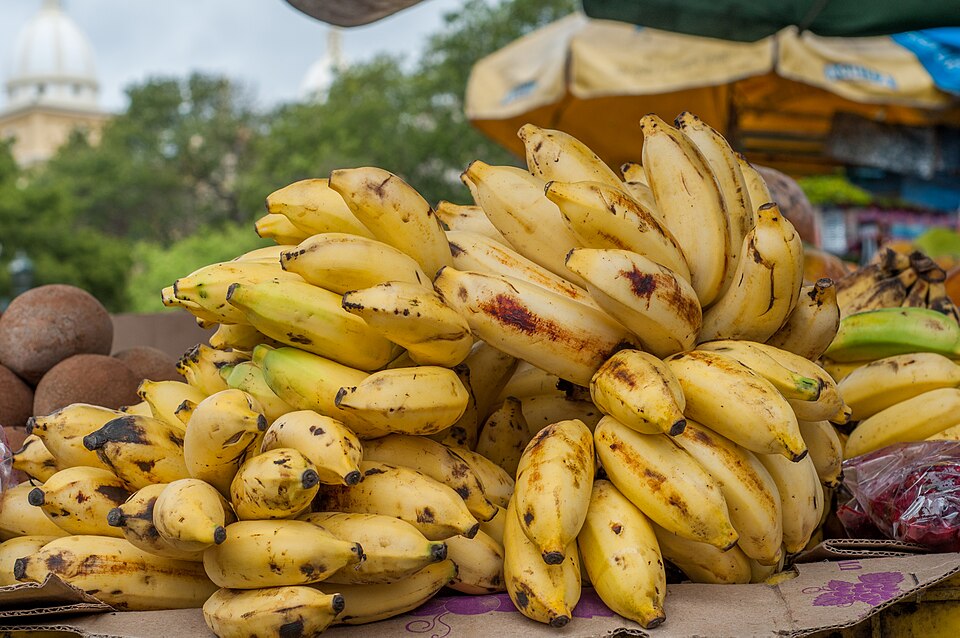
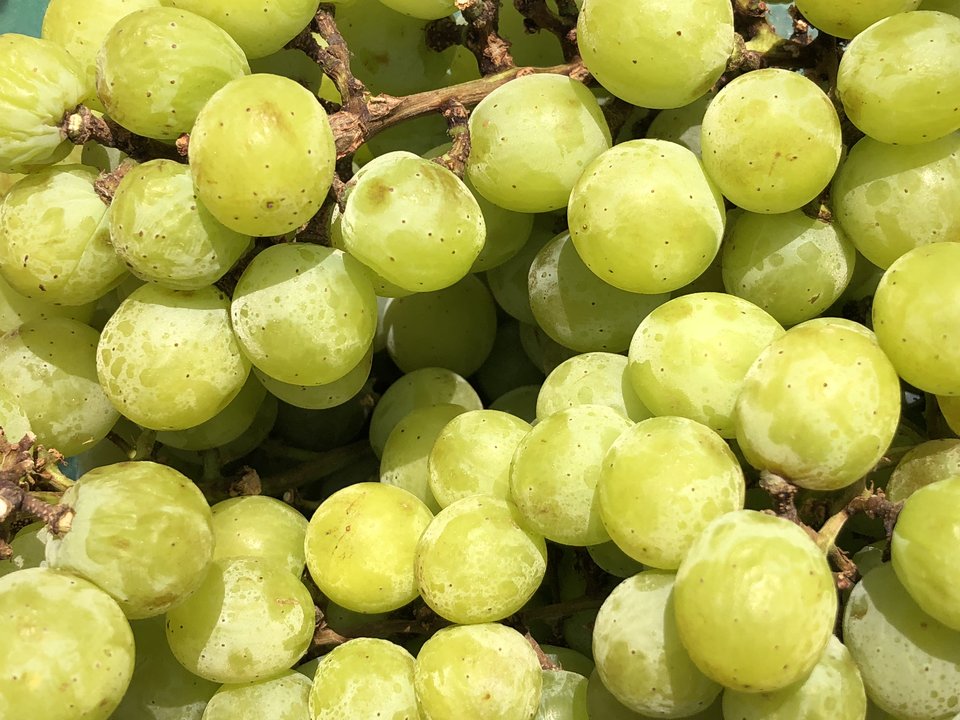
The two rows above are as ripe as either fruit gets after harvest: the banana still has a second act ahead of it, the grapes do not.
Counter only
Refrigeration slows or blocks the ripening these fruits still have left to do, so cold harms rather than helps them:
- bananas
- citrus
- mangoes
- melons
- papaya
- pineapple
Counter first, then refrigerator
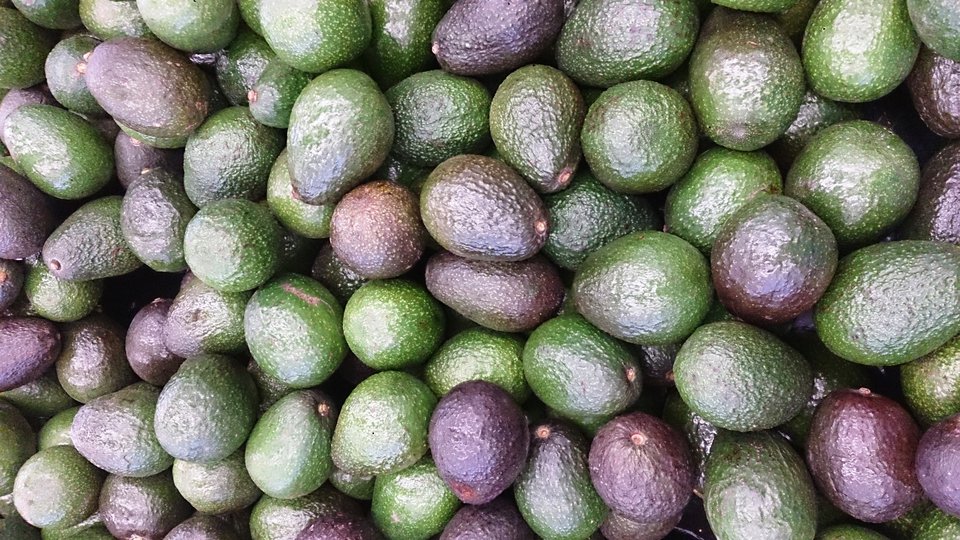
Stone fruit, kiwi and avocado ripen on the counter first. Once ripe, they move to the refrigerator to hold that point rather than continue past it.
- the counter stage is not optional — it is where the ripening actually happens
- moving one of these to the fridge too early is the same mistake as the counter-only fruits, just reversed in timing
Refrigerator from the start
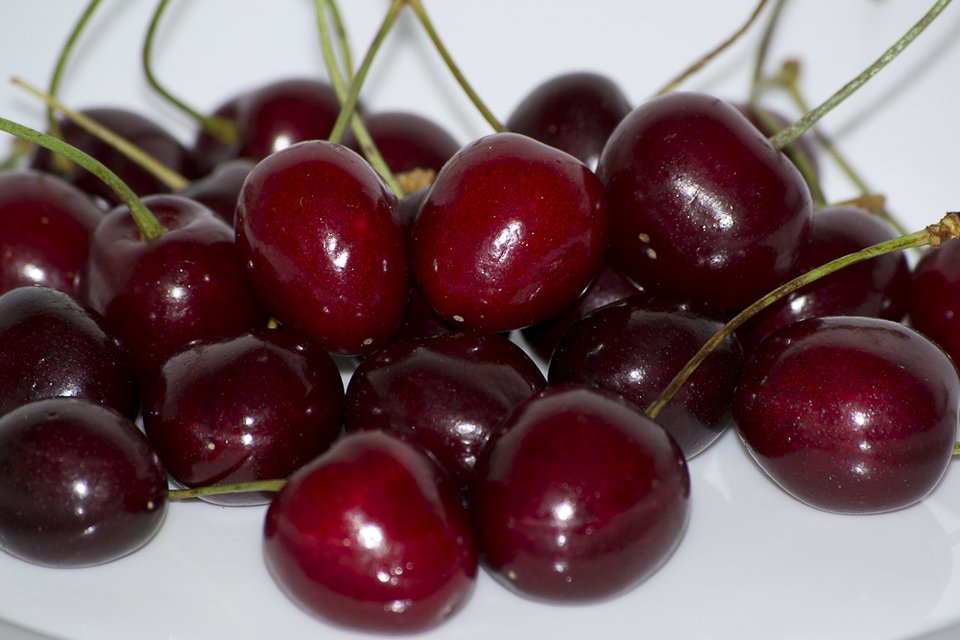
Berries, cherries and grapes are non-climacteric and were as good as they will ever get at harvest. Refrigeration from the start only slows their decline — it cannot improve them.
The link back to week 2
The climacteric/non-climacteric split, not the species, is what decided where an ethylene producer went in week 2’s refrigerator. The same chemistry, examined here from the growing side rather than the storage side, is one subject wearing two weeks.
Ripeness is read fruit by fruit
There is no single rule for ripeness at the point of sale.
- apple — firm and unbruised
- citrus — fragrant, and heavy for its size
- avocado, papaya — yielding to gentle pressure
A rule that worked for one of these would be wrong for another, which is why this is read case by case rather than by instinct trained on a single fruit.
Buying underripe is a decision, not a compromise
Because a climacteric fruit keeps producing the hormone that ripens it after harvest, buying one underripe is a way of deciding, rather than discovering, when it will be ready.
- an underripe avocado bought four days before it is needed is a scheduling choice
- the same avocado bought ripe and eaten four days later has already passed its point
Non-climacteric offers no such choice
A non-climacteric fruit must be bought at the ripeness it will be eaten at, because none is coming later. There is no schedule to set — only a point-of-sale judgement to get right the first time.
Why this week carries a number
The invent-a-recipe assessment (week 6) asks for a nutritional composition traceable to a named food-composition database. Fruit is a common component of that composition and earns the same treatment this course has already given vegetables and meat.
Figures below are per 100 g raw, from USDA FoodData Central, for the five fruits this week’s tutorial exercise draws on: the climacteric fruits here — apple, banana, mango — and the two non-climacteric fruits — orange and strawberry.
Apple, banana, orange, strawberry, mango
| Fruit | Calories (kcal) | Fat (g) | Protein (g) | FDC ID |
|---|---|---|---|---|
| Apple, raw, with skin | 52 | 0.17 | 0.26 | 171688 |
| Banana, raw | 89 | 0.33 | 1.09 | 173944 |
| Orange, raw | 47 | 0.12 | 0.94 | 169097 |
| Strawberries, raw | 32 | 0.30 | 0.67 | 167762 |
| Mangos, raw | 60 | 0.38 | 0.82 | 169910 |
Reading the spread
The calorie spread across the five tracks sugar content more than anything else discussed this week. None of the five is a meaningful source of fat or protein — worth stating so a recipe’s protein total is not accidentally attributed to its fruit component.
This week’s tutorial exercise uses the macro calculator on all five of these figures, drawn directly from FoodData Central.
One of the five
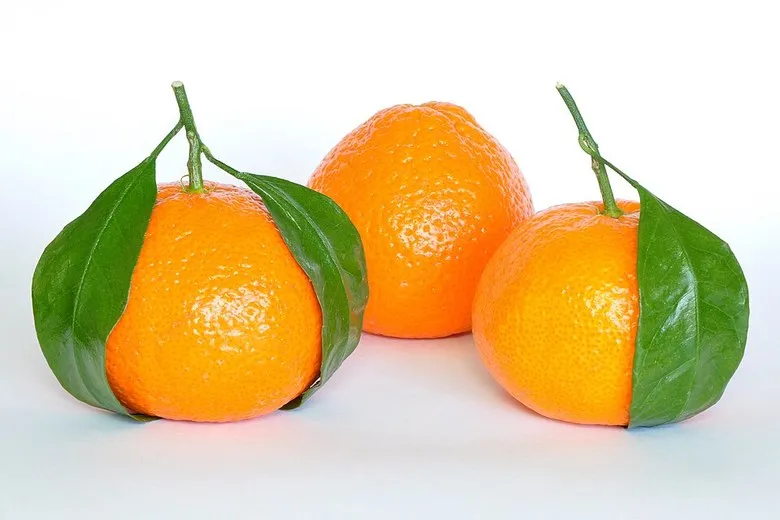
A non-climacteric fruit does not wait for you. A climacteric one will, for exactly as long as you plan for it to.
— Marisol Quaye
Reading
University of Maryland Extension, “Ethylene and the Regulation of Fruit Ripening”
NDSU Agriculture Extension, “Focus on Whole Fruits: How to Select and Store Fruit”
University of Wyoming Extension, “Storing Fruits and Veggies So They Last Longer”
USDA FoodData Central — apple, banana, orange, strawberry and mango entries cited above.
Next: week 10 pulls the storage material from this week and weeks 2, 3 and 4 into a single account, before the course starts cooking.