Spices, aromatics and oil
SLOP1640 — week 5
Marisol Quaye
An aromatic is a preparation decision
An aromatic is chosen for what it changes about a dish before any heat is applied — that makes it a preparation question, not a seasoning afterthought.
- galangal, shallot, onion and garlic form the aromatic base of an enormous range of cooking traditions
- how each is cut — chopped, crushed or sliced — changes the result, and the difference is mechanical, not a matter of taste
- leaf aromatics answer a different question: not how they are cut, but when they meet heat
- oil is the third material this week treats as a preparation choice: a smoke point that is not fixed, and degrades with age
What intact tissue keeps apart
Allium tissue — shallot, onion, garlic — keeps a flavourless precursor compound and the enzyme that acts on it in separate cell compartments.
- intact: precursor and enzyme never meet
- cut, crushed or bruised: the cell wall breaks and the two compartments mix
- the reaction that follows produces the pungent smell and flavour associated with the raw vegetable
Nothing about this depends on taste perception. It is a cell-biology event that happens whether or not anyone is nearby to smell it.
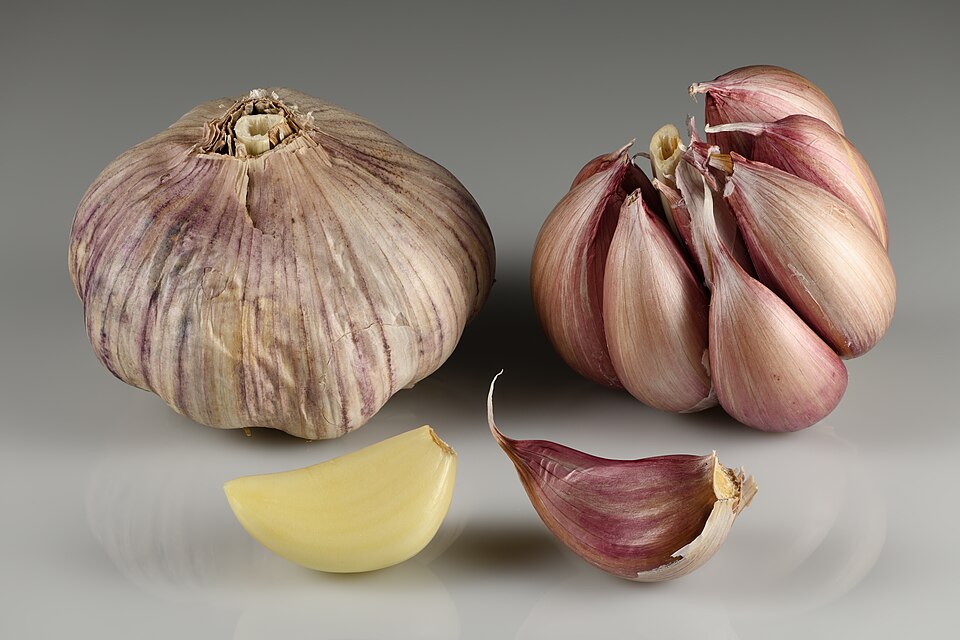
Garlic: alliinase meets alliin
Cutting or crushing garlic ruptures cells and brings the enzyme alliinase into contact with its substrate, alliin. The product is allicin — the compound responsible for crushed garlic’s characteristic smell.
Borlinghaus et al. (2021), reviewing this mechanism in Molecules, traces the reaction from intact clove to the volatile product in detail.
Onion: a related but distinct pathway
Onion shares the precursor-and-enzyme structure but adds a second step. A separate enzyme, lachrymatory factor synthase, converts one of alliinase’s reaction products into the volatile compound that makes eyes water.
This pathway was first identified by Imai et al. (2002) in Nature. It is why cutting an onion has a distinctive effect that cutting garlic does not, despite both starting from the same allium chemistry.
Chopped, crushed, sliced: why they differ
| Technique | Cell rupture per gram | Reaction speed |
|---|---|---|
| Slice | least | slowest, mildest |
| Chop | moderate | intermediate |
| Crush | most | fastest, strongest |
- crushing ruptures far more cells per gram than slicing does, releasing more enzyme and substrate into contact at once
- a crushed clove of garlic smells sharper, sooner, than a sliced one of the same mass — a direct mechanical consequence, not a stronger clove
- a larger cut surface also lets subsequent heat reach more of the material at once, so “how finely” and “how much reaction has already happened” are the same decision
A different question from allium
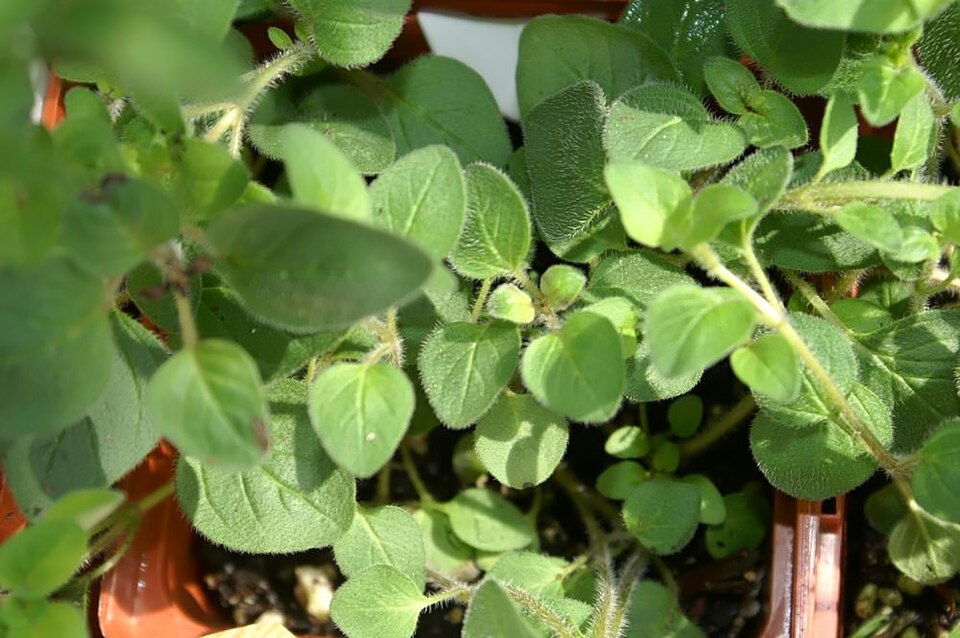
Bay leaf, lime leaf, oregano and basil are not prepared by rupture in the way alliums are. Their flavour comes from volatile aromatic compounds that are themselves heat-sensitive — the decision that matters is not how they are cut, but when they meet heat.
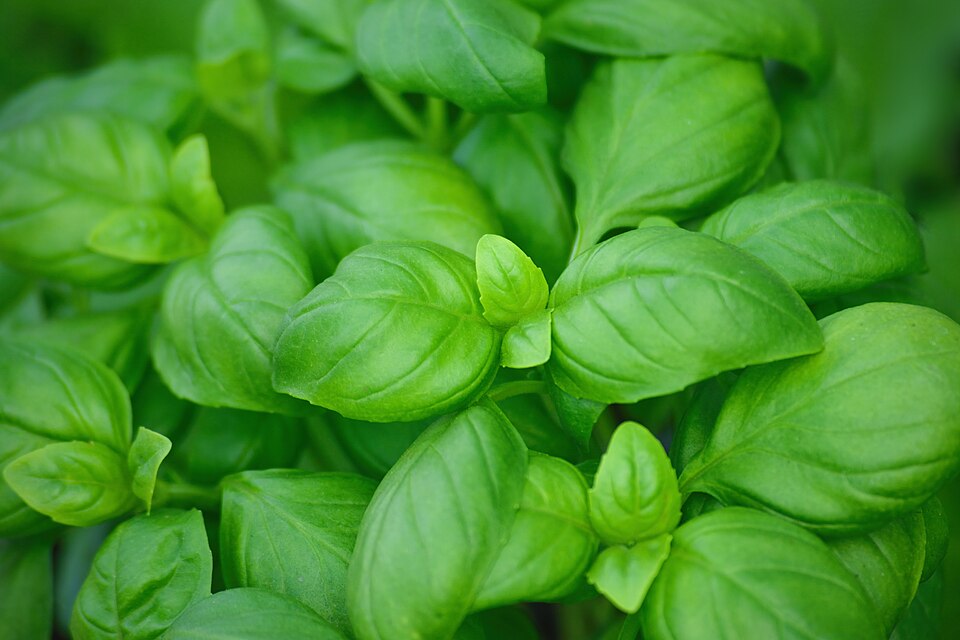
A study of basil subjected to different heat treatments found the volatile compound profile changed measurably with heat exposure, and that milder treatment preserved more of the aroma associated with fresh basil.
Early or late, and why
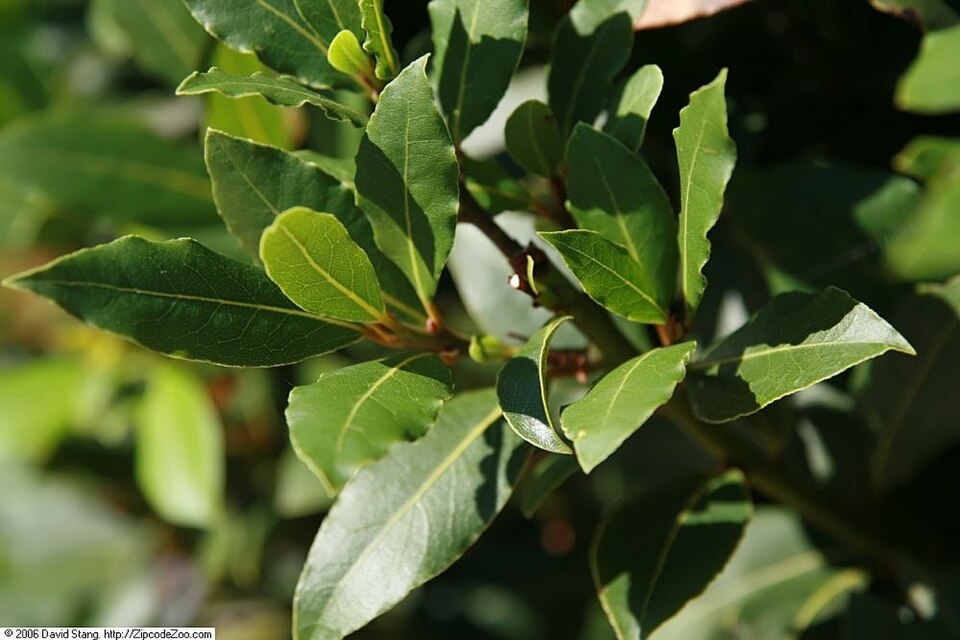
- bay leaf — added early: its flavour compounds need time and heat to diffuse into a dish, and are robust enough to survive the exposure
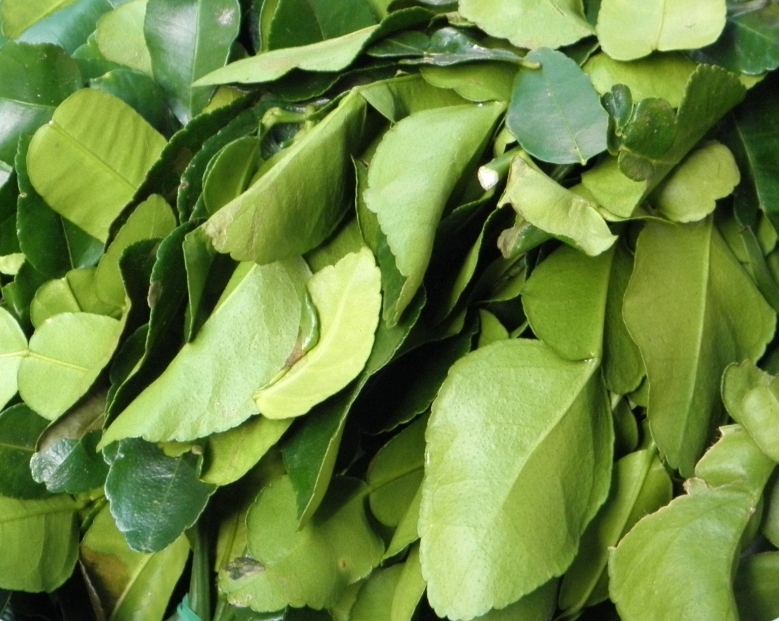
- lime leaf — usually added early to mid-cook, for the same diffusion reason
- oregano — tolerates moderate cooking time without collapsing
- basil — added at the end, or off the heat entirely: its more delicate volatile compounds do not survive the same exposure without losing what made them worth adding
The timing follows from what heat does to the compound, not from habit.
Bay leaf, lime leaf, oregano
Not a fixed constant
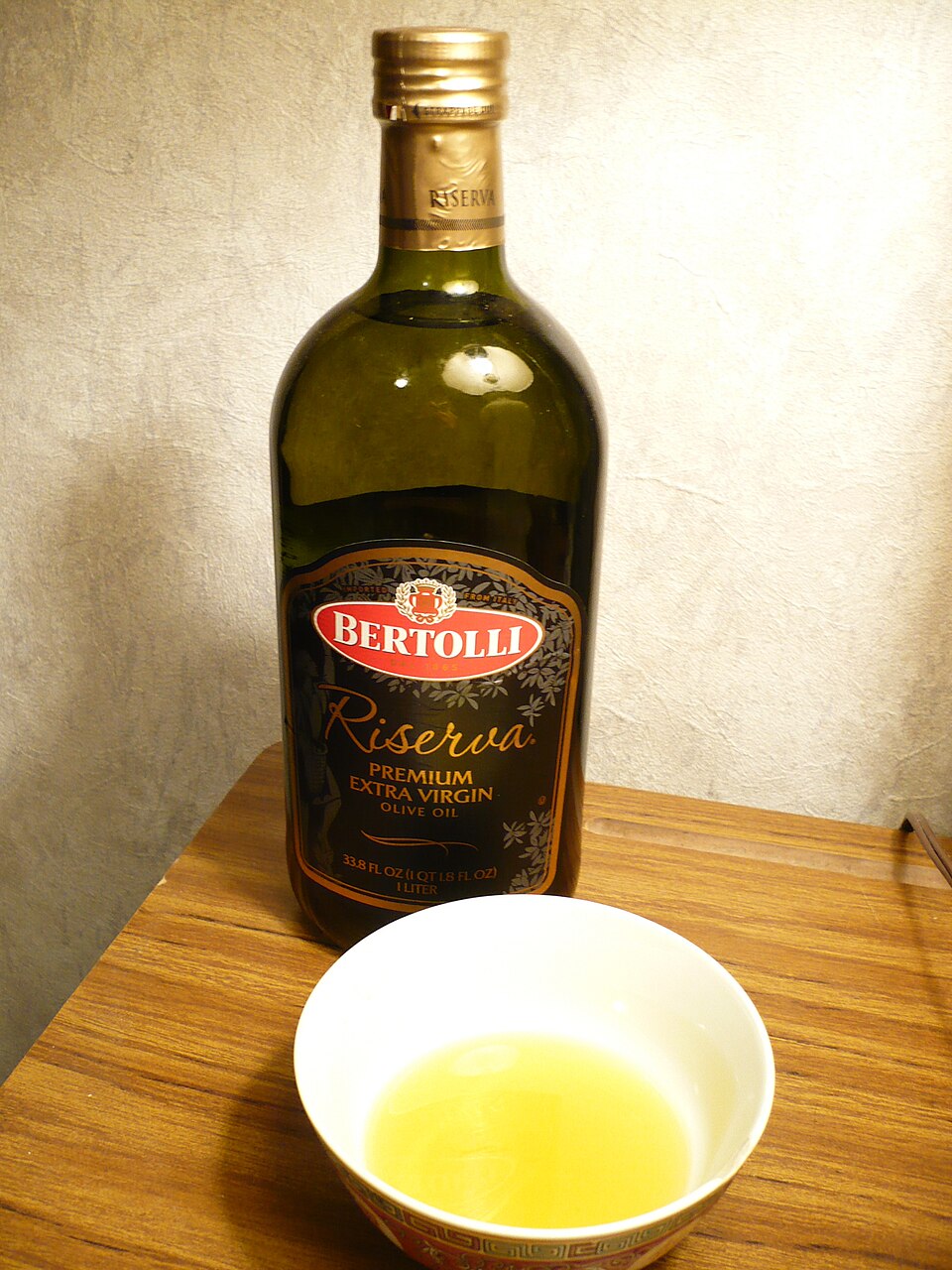
Every oil has a smoke point — the temperature at which it begins to visibly break down and smoke. Reported values vary noticeably between sources, because smoke point is a property of a specific batch of oil, not a fixed constant of the oil type.
- the same oil, fresh versus already used, does not share a smoke point
- storage condition and age move the number before any cooking happens
- a listed figure is a starting estimate, not a guarantee for the bottle in hand
How it degrades with use
Crosby (2018), writing in the Institute of Food Technologists’ Food Technology magazine, cites research finding that the formation of as little as 1% free fatty acid in soybean oil causes a 25% decline in its smoke point.
An oil that has already been heated, or stored badly, or kept too long, smokes at a markedly lower temperature than the same oil fresh — the smoke point is a moving target across an oil’s working life, not a label value.
When the choice matters
Oil choice matters more as intended heat increases and matters comparatively little where heat is gentle or absent.
- a flavourful, low-smoke-point oil used cold or barely warmed loses nothing by having a low smoke point, since that ceiling is never approached
- the same oil pushed to a high, sustained heat is the situation where the 1% free-fatty-acid decline actually costs something
Two materials, one clock
This week’s tutorial exercise is a storage-duration calculation, not a cutting exercise.
- an aromatic once cut behaves like any other cut produce for the purpose of a cold-chain clock — the cutting decisions above do not reset that clock, they precede it
- an oil’s useful life is itself a storage question: how long it keeps its smoke point before that 1% free-fatty-acid threshold is crossed
- this lecture supplies the reason those clocks run the way they do; the tutorial runs the clock itself, against a stated prep date and time
Open the storage-duration calculator on this week’s session page to work through it.
An aromatic is a decision made with a knife, well before anyone asks what the dish tastes of. The tasting only confirms what was already decided in how finely it was cut.
— Marisol Quaye
Reading
- Borlinghaus et al. (2021), Allicin, the odor of freshly crushed garlic: a review of recent progress in understanding allicin’s effects on cells, Molecules.
- Imai et al. (2002), An onion enzyme that makes the eyes water, Nature 419, 685.
- Głuchowski et al. (2021), Fresh basil infusion: effect of sous-vide heat treatment on volatile composition, sensory profile and colour, Molecules.
- Crosby (2018), Do cooking oils present a health risk?, Food Technology.
Next: week 6 moves from what is cut to what it is cut on.